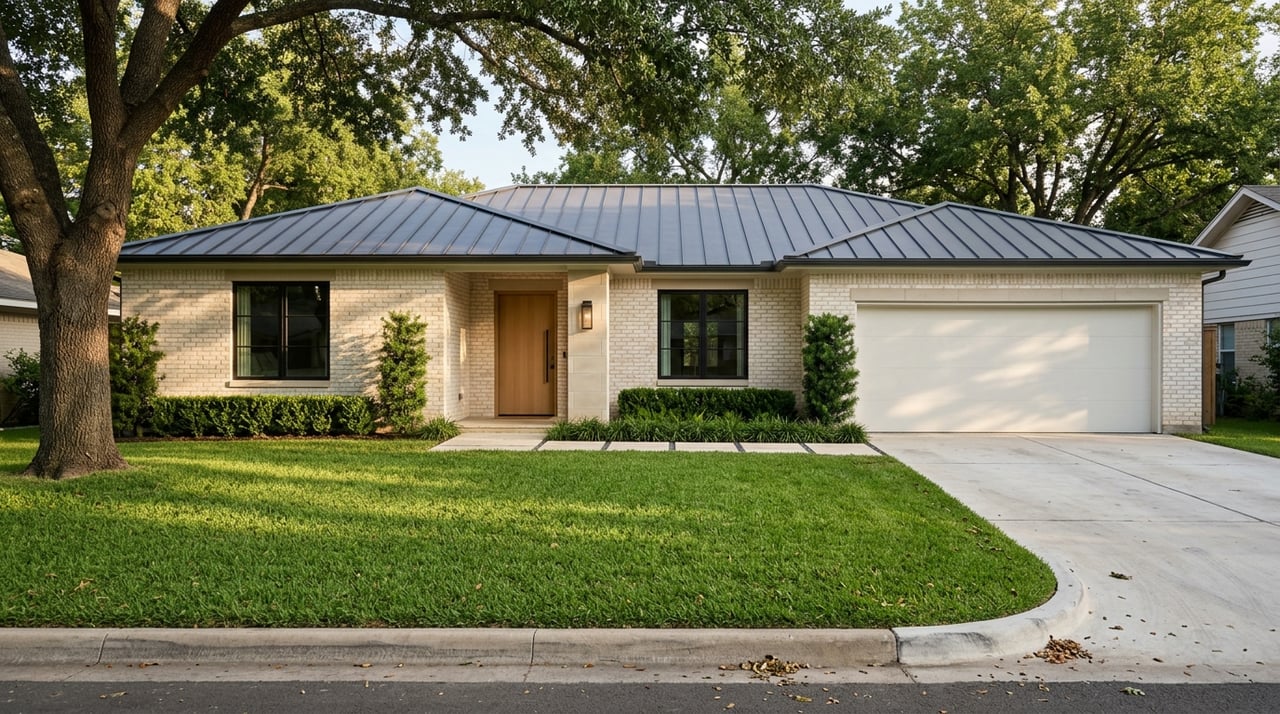
Wondering whether a Preston Hollow property should be a dream new build, a thoughtful renovation, or a teardown with long-term upside? You are not alone. In this part of Dallas, the house matters, but the lot, the block, and the fit with the surrounding streetscape often matter just as much. If you are buying, selling, or evaluating land value in Preston Hollow, understanding those details can help you make a smarter move. Let’s dive in.
Why Preston Hollow Requires a Different Lens
Preston Hollow is a premium market, but it is not one-size-fits-all. Recent market data shows a median listing price around $2.2 million, while closed-sale data points to a lower median sale price of about $1.53 million, with homes taking longer to sell than they did a year ago. That gap tells you something important: buyers are selective, and pricing depends heavily on the exact pocket, lot quality, and condition of the property.
Even within Preston Hollow, the numbers can shift meaningfully by area. Preston Hollow North, for example, carries a higher median listing price and longer days on market. If you are looking at new construction or teardown potential, you need to evaluate the property at the block and micro-market level, not just by ZIP code or neighborhood name.
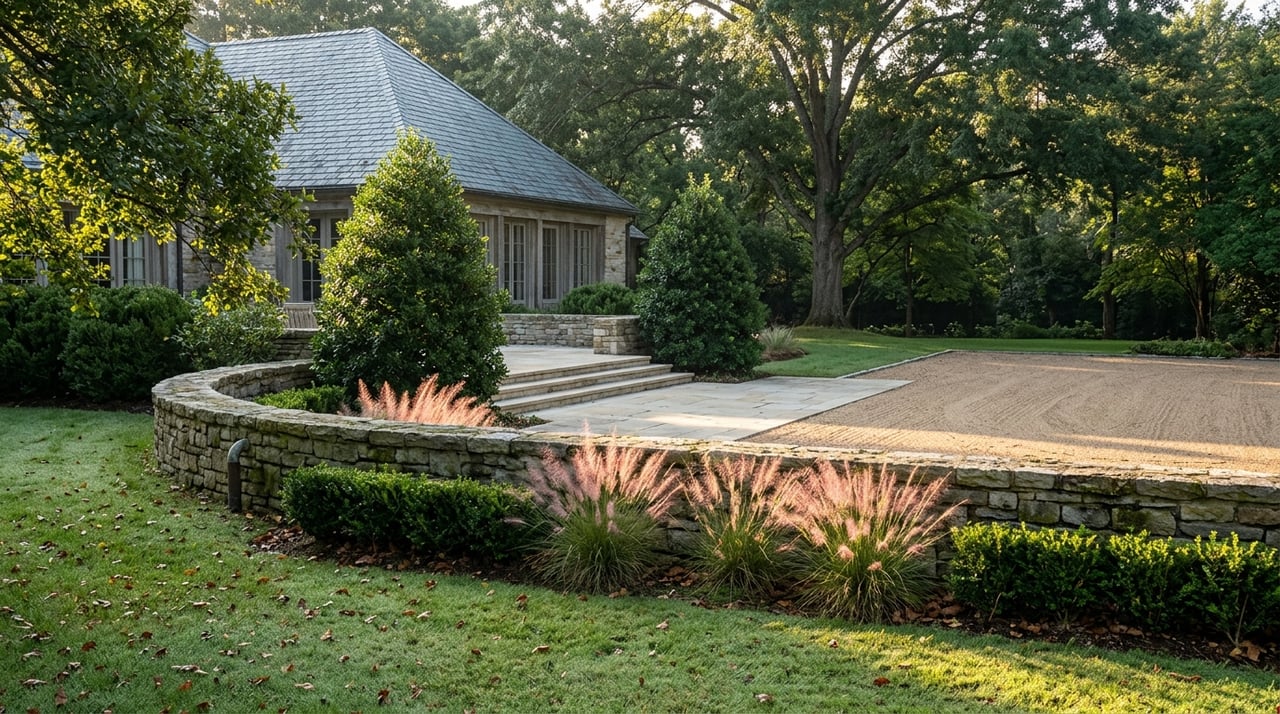
Old Preston Hollow also has a physical character that shapes value. Large lots, deep setbacks, and mature trees are part of what gives the area its appeal. In practical terms, that means land position, front-yard depth, and tree retention can influence both design options and resale value.
What “Tear-Down” Really Means in Preston Hollow
A teardown is not simply an old house that gets replaced. In Preston Hollow, it is usually a land play shaped by zoning, lot lines, building setbacks, access, trees, and city approvals. The lot is often the true asset, and the existing house may be either an obstacle or an opportunity.
In this market, there are generally three paths owners and buyers consider:
- Full teardown and custom replacement on a strong lot
- Major renovation or expansion that keeps much of the existing shell
- Site-sensitive remodels that preserve mature trees and front-yard depth
Each path can work. The right choice depends on what the lot can support, what the block suggests, and whether the finished result will feel appropriate for that setting.
Start With the Lot, Not the House
If you are evaluating a property for new construction, the first question is not, “Do I like the current home?” The better question is, “What can this lot legally and practically support?” In Preston Hollow, that distinction can save you time, money, and frustration.
Dallas zoning controls key development standards such as land use, height, setbacks, lot size, density, lot coverage, and floor area ratio. In low-density single-family districts such as R-1ac and R-1/2ac, the city notes 40-foot front setbacks, 10-foot side and rear setbacks, and a 40% maximum lot coverage, but platted building lines or other restrictions on the block may be more limiting.
That is why the certified plat matters. Buyers should verify lot dimensions, building lines, and any deed restrictions before assuming a large new home will fit. Dallas also notes that its deed-restriction records are not exhaustive, so early due diligence is essential.
Check the Block Before You Commit
In Preston Hollow, the best project is usually the one that fits the block, not the one that pushes every possible limit. The broader Northwest Highway and Preston Road area plan calls for stable, protected neighborhoods and identifies traffic, parking, public realm, and infrastructure issues as part of the local planning picture. That context matters when you are deciding whether a teardown makes sense for a particular site.
A lot may look ideal on paper, but the surrounding street can tell a more complete story. Are homes on the block set far back from the street? Is there a pattern of preserved tree canopy? Are recent projects leaning contemporary, transitional, or updated ranch rather than full stylistic contrast? Those cues can shape both buyer demand and long-term value.
Permits and City Review to Expect
In Dallas, new construction requires a residential permit, and demolition or removal work also requires a permit. The city processes these items through DallasNow. That means a teardown project is never just a private design decision. It is a city-reviewed process with timelines and documentation that need to be understood up front.
Floodplain status can also affect the project. If a site is in the 100-year floodplain, new construction may trigger floodplain fill review and final city approval, even if the existing structure is being removed. If you are comparing lots, this is one of the most important early checks to make.
Why Alley Access Matters More Than You Think
Rear access can materially affect the design of a new home in Preston Hollow. If a property relies on alley access for garage placement or service functions, you need to understand the alley’s dimensions and service criteria before moving too far into planning.
Dallas sanitation states that alley collection generally requires a 15-foot minimum right-of-way, at least 10 feet of pavement, and a 2-foot utility easement on each side used for collection. In real terms, this can influence rear-entry garages, trash placement, and daily functionality. For buyers comparing lots, this is not a small detail.
Mature Trees Are More Than Curb Appeal
In Preston Hollow, mature trees often contribute to the identity and value of a property. They can also affect planning. Dallas’s landscape and tree rules include site-tree considerations and retained-tree credits as part of the development review process.
That means a lot with significant trees may carry planning value beyond aesthetics alone. It can also support the kind of site-sensitive remodel or renovation that keeps the address feeling rooted in the neighborhood. In many cases, preserving canopy and front-yard depth is part of what makes a property feel truly Preston Hollow.
New Construction vs. Renovation
For some buyers, a new build is the clear answer. It offers control over layout, systems, finishes, and how the home lives day to day. If you want a clean start and are willing to navigate permitting, approvals, and construction timing, that path can be compelling.
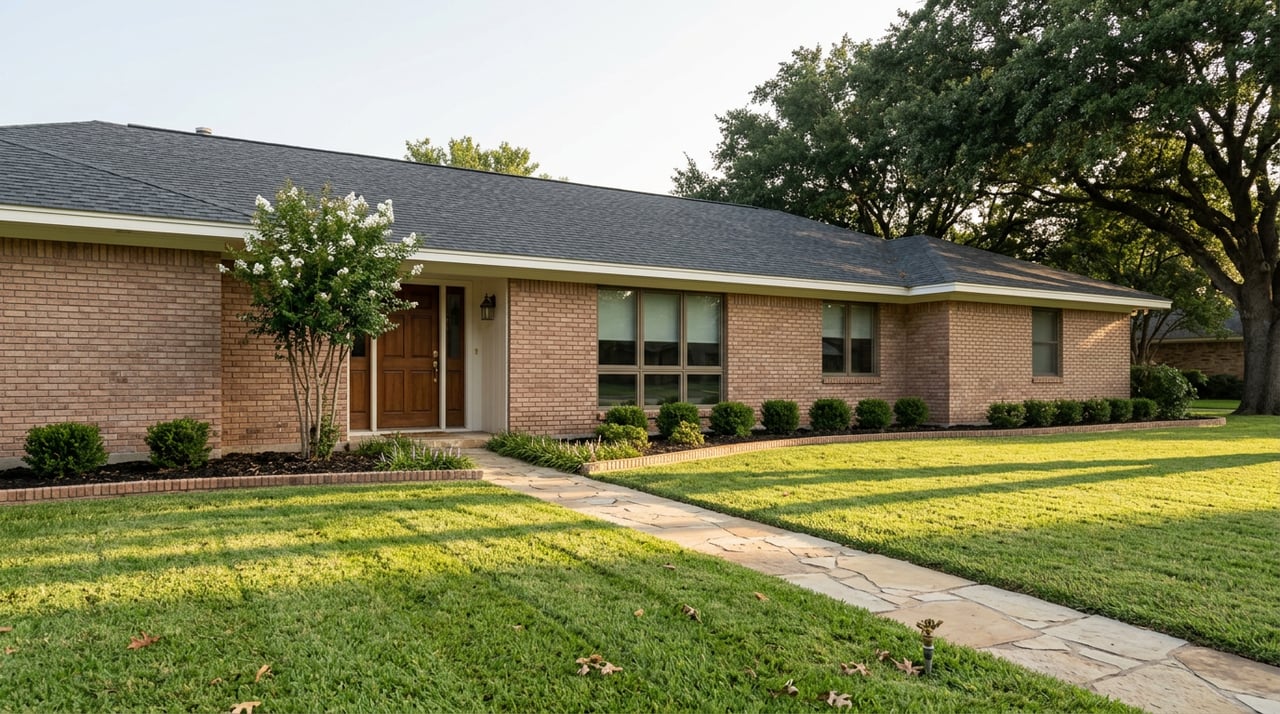
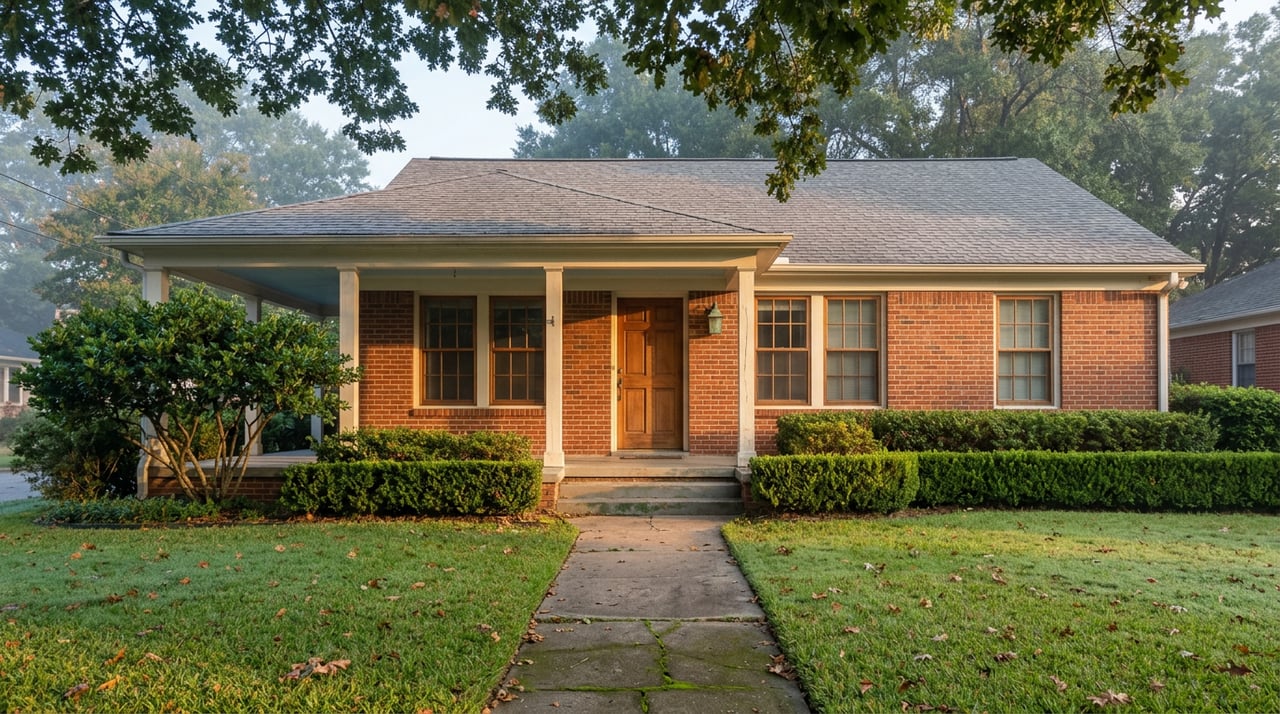
For other buyers, a renovated home offers something that new construction may struggle to recreate. Older homes in Preston Hollow can sit on deeper setbacks with mature landscaping and established trees that give the property a distinct sense of place. A well-executed renovation can keep those advantages while updating the layout and major systems.
The key is to look past surface finishes. A renovation that only changes cosmetics is very different from one that addresses systems, flow, and long-term livability. In this neighborhood, buyers often respond best when improvements feel substantial and the home still fits the lot and block naturally.
What Buyers Should Review First
If you are shopping Preston Hollow with teardown or renovation potential in mind, a structured review can help you compare properties more clearly.
Lot and zoning review
Start with the basics:
- Zoning district
- Certified plat
- Building lines
- Deed restrictions
- Lot coverage and setback limits
These items help you understand the true building envelope before you fall in love with a concept that may not be feasible.
Access and utility review
Then look at the property’s practical function:
- Alley access and geometry
- Rear-entry garage possibilities
- Trash and service logistics
- Driveway placement
In a luxury market, everyday functionality still matters. Design decisions should work as well on Tuesday morning as they do in listing photos.
Site condition review
Finally, evaluate the site itself:
- Floodplain and drainage considerations
- Mature trees and likely retention issues
- Setback depth relative to neighboring homes
- Overall fit with the block
This is often where the best opportunities become clear. Sometimes a property that looks less exciting online has the stronger long-term land value because the site is simply better.
What Sellers Should Know About Positioning
If you own a home in Preston Hollow, your property may have value in more than one lane. Depending on the site and condition, buyers may see it as a move-in-ready home, a renovation candidate, or a teardown lot. Your pricing and marketing strategy should reflect the property’s highest and best use without overstating what is possible.
That is especially important in today’s more selective environment. With days on market up year over year and price drops still common enough to matter, finish level, lot quality, and presentation all influence outcomes. A strong strategy starts with honest positioning, strong visuals, and neighborhood-specific pricing logic.
The Bottom Line for Preston Hollow
In Preston Hollow, the conversation is rarely just about old versus new. It is about whether the site, design, and improvements make sense together. The best outcomes usually come from understanding the lot first, checking city and block-level constraints early, and matching the project to the character of the immediate area.
Whether you are searching for a buildable lot, weighing a renovation, or preparing to sell a property with land value, local context matters. If you want clear guidance on how a specific Preston Hollow property fits today’s market, Hewitt+Saucedo Realty Group can help you evaluate the opportunity with a neighborhood-level lens.
FAQs
What should you check before buying a teardown in Preston Hollow?
- You should confirm zoning, certified plat details, building lines, deed restrictions, floodplain status, alley access, and tree-related planning factors before assuming a lot can support your intended project.
How do Dallas permits affect new construction in Preston Hollow?
- Dallas requires residential permits for new construction and permits for demolition or removal work, and some sites may also need floodplain-related review and final city approval.
Is a renovated home or new build better in Preston Hollow?
- It depends on your goals. A new build offers more control over layout and systems, while a renovated home may preserve mature trees, deeper setbacks, and older architectural character that can be hard to replace.
Why do mature trees matter for Preston Hollow homes?
- Mature trees affect both neighborhood character and development planning because Dallas includes site-tree and retained-tree considerations in its landscape and tree review process.
How important is lot fit when comparing Preston Hollow properties?
- Lot fit is critical because value in Preston Hollow often depends on how the site, setbacks, access, trees, and finished home relate to the surrounding block, not just the size or age of the house.