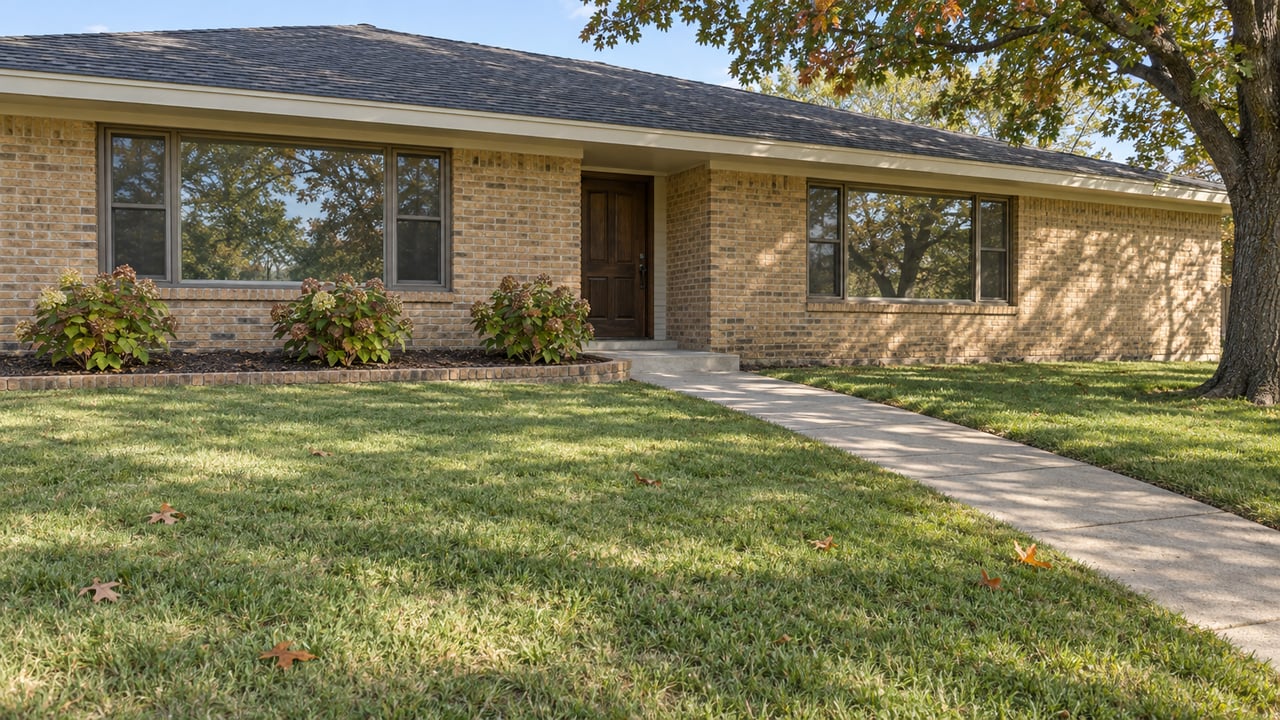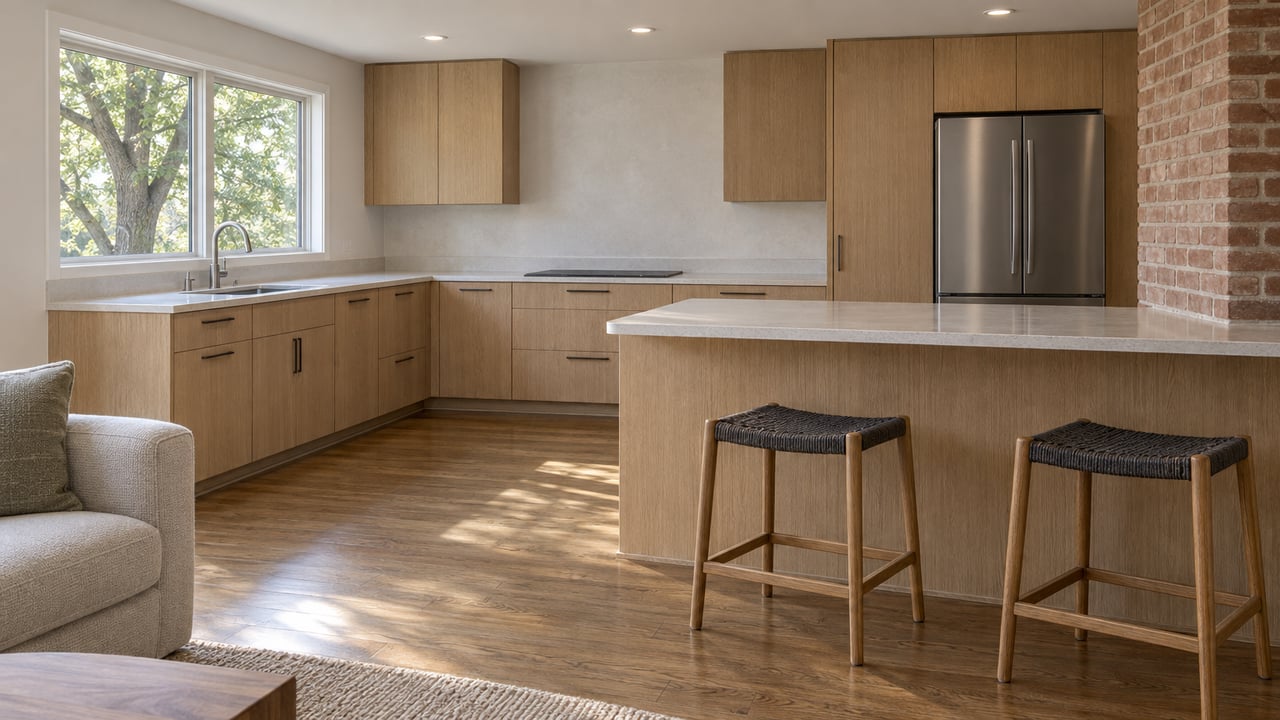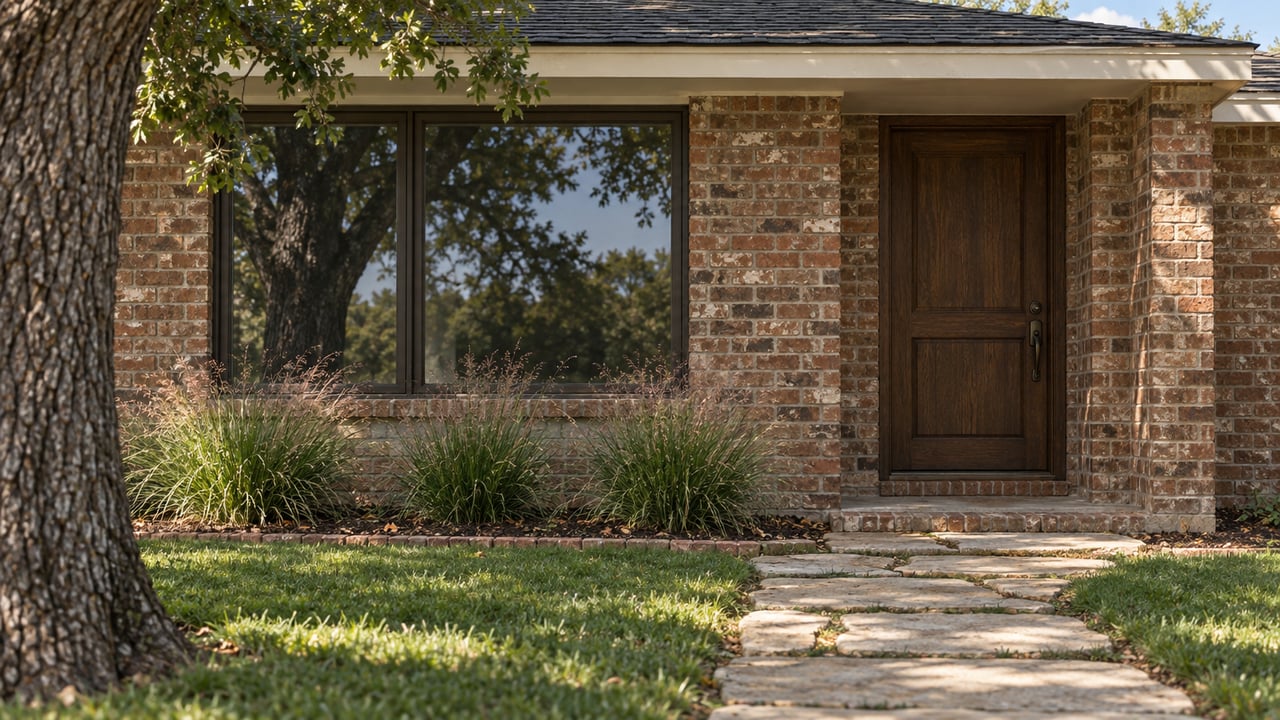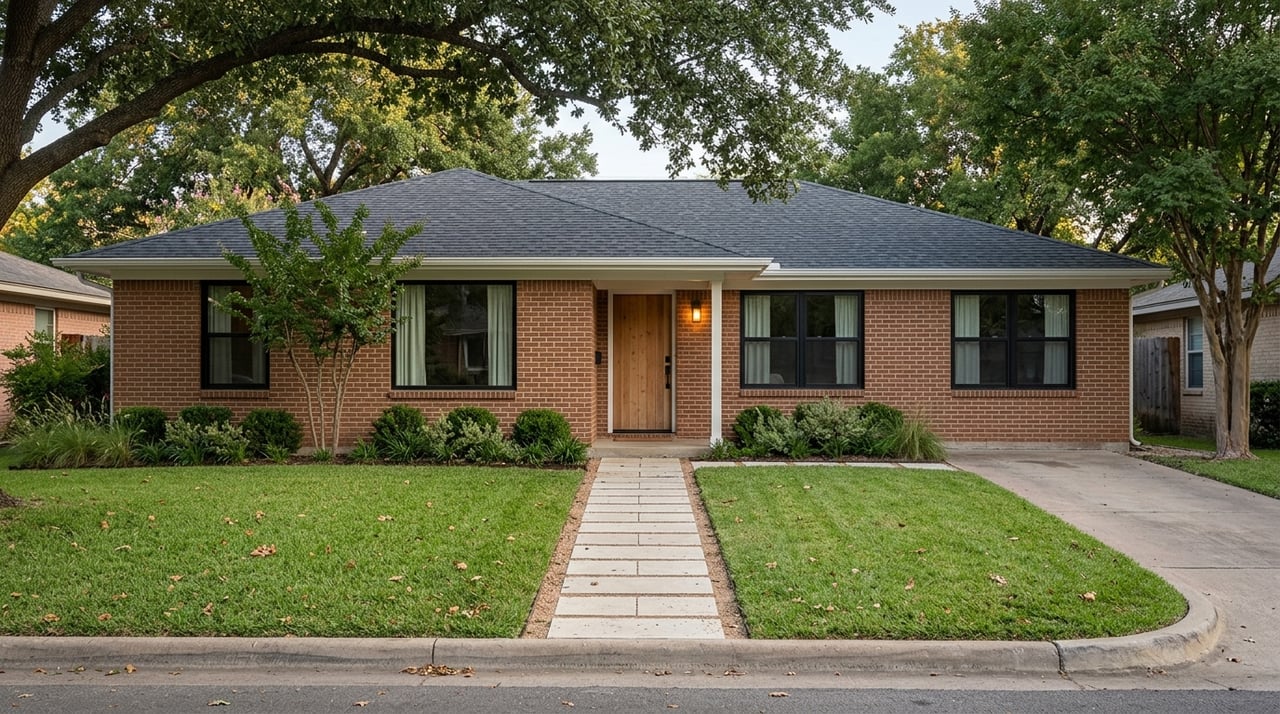
Wondering whether a charming home in Lakewood or the M Streets can truly become your long-term fit? That is one of the biggest questions buyers ask in East Dallas, especially when older homes offer great character but not always the layout or size you want today. If you are thinking about buying with renovation in mind, this guide will help you understand where remodeling potential exists, what can complicate plans, and how to evaluate a property more confidently. Let’s dive in.
Why remodeling looks different here
In both Lakewood and the M Streets, remodeling is shaped by conservation district rules. These are neighborhood-specific zoning standards used by the City of Dallas to help preserve architectural and cultural character, and proposed work is reviewed through a city work-review process.
That matters because your remodel is not judged only by what fits on the lot. It is also influenced by how the home relates to the surrounding block, including massing, setbacks, facade appearance, and other visible design features.
M Streets remodeling basics
The M Streets conservation district is CD #9, also known as Greenland Hills. The neighborhood was established as a cohesive development in 1923, and it is closely associated with Tudor Revival homes.
The district standards reflect that history. The neighborhood was protected after a period of demolitions, oversized new construction, and large rear additions, so today’s rules place real emphasis on keeping the street-facing character intact.
Key lot rules in the M Streets
For many buyers, the first question is simple: how much room is there to expand? In the M Streets, the answer starts with lot dimensions and coverage limits.
Here are several of the main standards noted in the district ordinance:
- Minimum lot area is 7,500 square feet
- Lot width is generally 50 to 60 feet
- Maximum lot coverage is 45 percent
- Front setback is based on the average of the two adjacent houses
- Side setbacks are generally 5 feet on one side and 10 feet on the other
- Rear setback is 20 feet
- Garages and carports must sit in the rear 30 percent of the lot
- The front facade must appear to be one-and-one-half stories
These rules can support renovation, but they also narrow your options. A house may have plenty of interior potential while still offering limited flexibility for a large addition that changes the front profile or pushes too much volume into the lot.
What remodels tend to work best
In practical terms, the most workable projects are often interior reconfigurations paired with additions that stay subordinate to the original front massing. That takeaway comes from how the ordinance regulates the front facade, wrap-around areas, height, garage placement, windows, and roof materials.
If you are comparing homes, pay close attention to the existing street-facing shape. In the M Streets, a remodel usually has a smoother path when the visible front character stays compact and the added space is handled carefully behind the original house.
Exterior rules that affect design choices
Street-facing updates are tightly controlled in the M Streets. That can affect not just major additions, but also your finish selections and site plan.
The ordinance includes standards such as:
- Only transparent, stained, or leaded glass at the front facade and wrap-around
- No front-yard fences
- Limits on visible roofing materials on regulated surfaces
- Front yards may not be more than 30 percent paved or hardscaped
- Straight concrete driveways are expected
- New construction or additions over 100 square feet require parkway trees unless existing canopy trees already meet the requirement
For you as a buyer, this means a seemingly simple exterior refresh may be more specific than expected. Material choices, paving, and even driveway design can all affect feasibility.
Lakewood remodeling basics
Lakewood offers a somewhat different picture. The area developed mainly from 1924 to 1949, and the housing stock is more mixed in style, including Tudor, Spanish Eclectic, French Eclectic, Minimal Traditional, Colonial Revival, and Neoclassical homes.
That variety can create opportunity, but it also means you should be careful about assuming one set of standards applies to every address. Lakewood conservation district rules should be checked by tract, because CD #2 includes multiple tracts, including Tracts I through III and Tract IV.
Why the exact tract matters
This is one of the biggest due diligence points in Lakewood. A buyer may hear that a property is in Lakewood and assume all remodeling rules are basically the same, but the city’s district structure does not work that way.
Before you rely on renovation plans, confirm the exact tract or subdistrict for the property. That step can save time and help you avoid building a wish list around standards that do not apply to your address.
Lakewood Tract IV lot rules
In Lakewood Tract IV, remodeling potential is also shaped by lot rules, setbacks, and height limits. The ordinance includes the following standards:
- Front yard is based on adjacent setbacks
- Side yards are 5 feet on lots under 10,000 square feet
- Side yards are 6 feet on lots at or above 10,000 square feet
- Rear yard is 10 feet
- Height is 30 feet on lots under 10,000 square feet
- Height is 35 feet on lots at or above 10,000 square feet
- Maximum number of stories is two, with attic stories allowed
- Maximum lot coverage is 45 percent for existing houses and 40 percent for new construction
Compared with the M Streets, some of these details may create a different expansion path depending on lot size and existing conditions. Still, the same big idea applies: the lot alone does not tell the whole story.
What remodels tend to work best in Lakewood
In Lakewood, major modifications and new construction often need to preserve or duplicate style-defining features. These can include porches, gables, windows, chimneys, roof forms, and materials.
That does not mean substantial updates are off the table. It does mean that a full redesign is often more design-intensive than a cosmetic renovation, especially when the existing home has clear architectural cues that the district expects you to respect.
How to judge remodeling potential before you buy
When you tour homes in Lakewood or the M Streets, it helps to think beyond square footage. A house with room to expand on paper may still face more review friction if the proposed changes clash with the block’s established character.
A practical way to evaluate a home is to look at four things together:
- Lot constraints: coverage, setbacks, height, and garage placement
- Front-facing character: facade shape, window patterns, rooflines, and visible massing
- Style-matching demands: how much detail would need to be preserved or duplicated
- Approval path: whether exterior work is likely to require more review and design coordination
If a home already has the footprint you want, a move-in ready purchase may be simpler. If the location and lot are excellent but the house needs work, a buy-and-renovate plan can still make sense if the project respects district standards from the start.
Compatibility often matters as much as size
In neighborhoods like these, desirability is not driven by size alone. Compatibility often matters just as much.
A larger home that still reads naturally within the block may feel more successful than a larger home that looks out of place. For that reason, your budget should account not only for construction costs, but also for the added design effort that can come with matching the home’s architectural language.
Smart due diligence steps for buyers
If you are serious about remodeling in Lakewood or the M Streets, do not wait until after closing to investigate the rules. Early research can help you choose the right property and avoid expensive surprises.
A smart due diligence checklist includes:
- Confirm whether the property is in a conservation district
- Identify the exact district and tract, if applicable
- Review the applicable ordinance standards for that address
- Study the lot size, setbacks, and current placement of the house and garage
- Evaluate whether your likely renovation goals affect the front facade or street-facing rooflines
- Use the City of Dallas work-review process before planning exterior changes
That kind of preparation can make a major difference. It helps you separate homes with true renovation potential from homes that may look flexible at first glance but prove more restrictive once the rules are applied.
What this means for Lakewood and M Streets buyers
If you love older East Dallas homes, both neighborhoods can offer real remodeling upside. The key is understanding that potential here is shaped by conservation district compatibility, not just by lot size or your target square footage.
For many buyers, the best opportunities are homes where the original street presence can remain intact while the interior is improved or the rear of the home is expanded thoughtfully. With the right property and a clear understanding of the district rules, you can make a more confident decision about whether to renovate, buy updated, or keep searching for a better fit.
If you want help evaluating remodeling potential before you make an offer in Lakewood or the M Streets, connect with Hewitt+Saucedo Realty Group for neighborhood-specific guidance and curated access to the right opportunities.
FAQs
What do conservation district rules mean for remodeling in Lakewood and the M Streets?
- Conservation district rules are neighborhood-specific City of Dallas standards that help preserve architectural and cultural character, and exterior work is reviewed through a city work-review process.
What should buyers know about M Streets renovation limits?
- Buyers should know that M Streets rules address lot coverage, setbacks, garage placement, facade appearance, and other street-facing elements, which can limit large additions or changes that alter the home’s visible front character.
What should buyers know about Lakewood remodeling rules?
- Buyers should know that Lakewood standards should be checked by tract because different parts of the district may follow different rules, and Tract IV includes its own requirements for setbacks, height, stories, lot coverage, and exterior design features.
Are front-yard changes restricted in the M Streets and Lakewood?
- Yes. The research report notes that front-yard fences are generally not allowed in both areas, and both districts also regulate items such as paving, driveway design, trees, garage placement, and some front-facing exterior features.
How can buyers verify remodeling potential before buying in Lakewood or the M Streets?
- Buyers can verify remodeling potential by confirming the exact district and tract, reviewing the applicable ordinance, checking the lot and existing house layout, and using the City of Dallas work-review process before planning exterior changes.