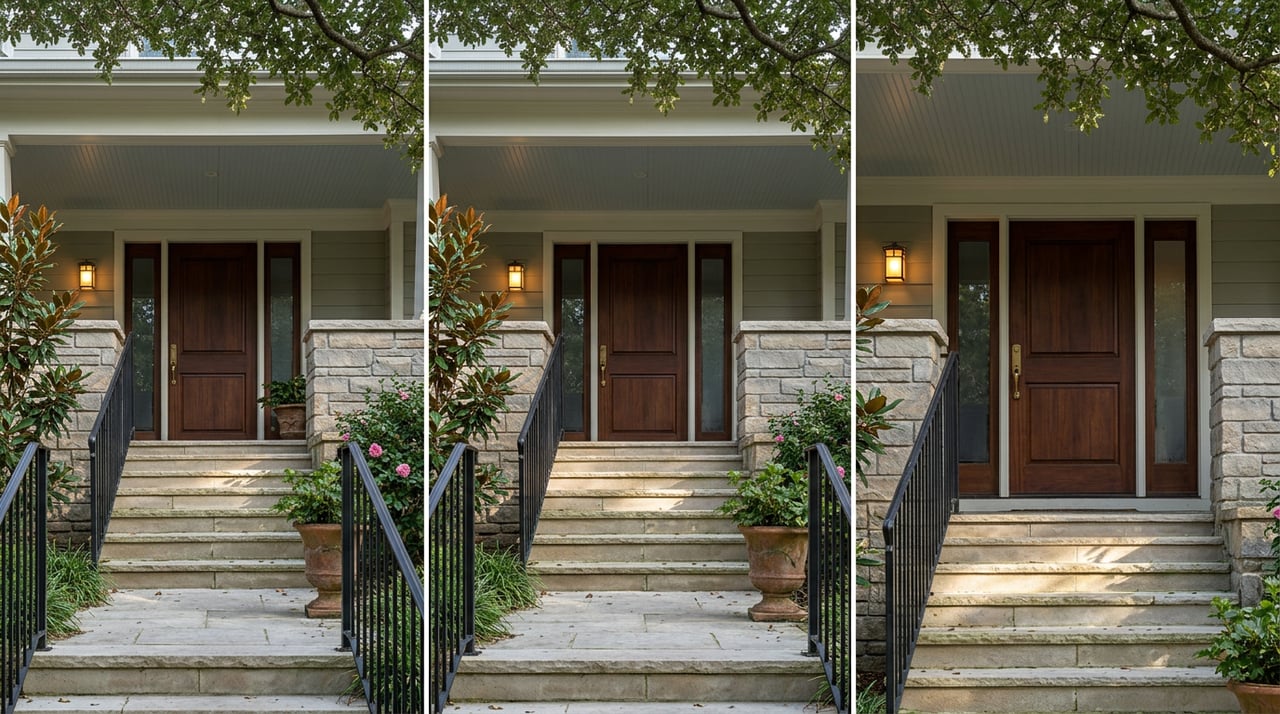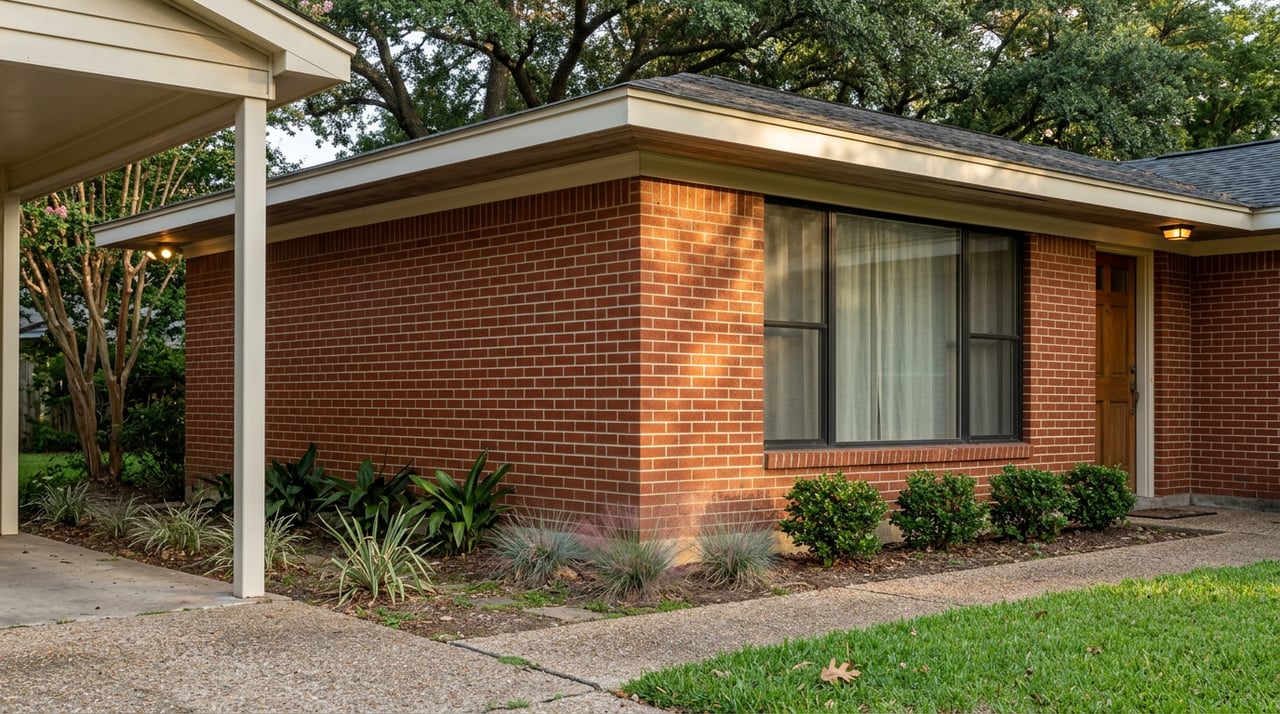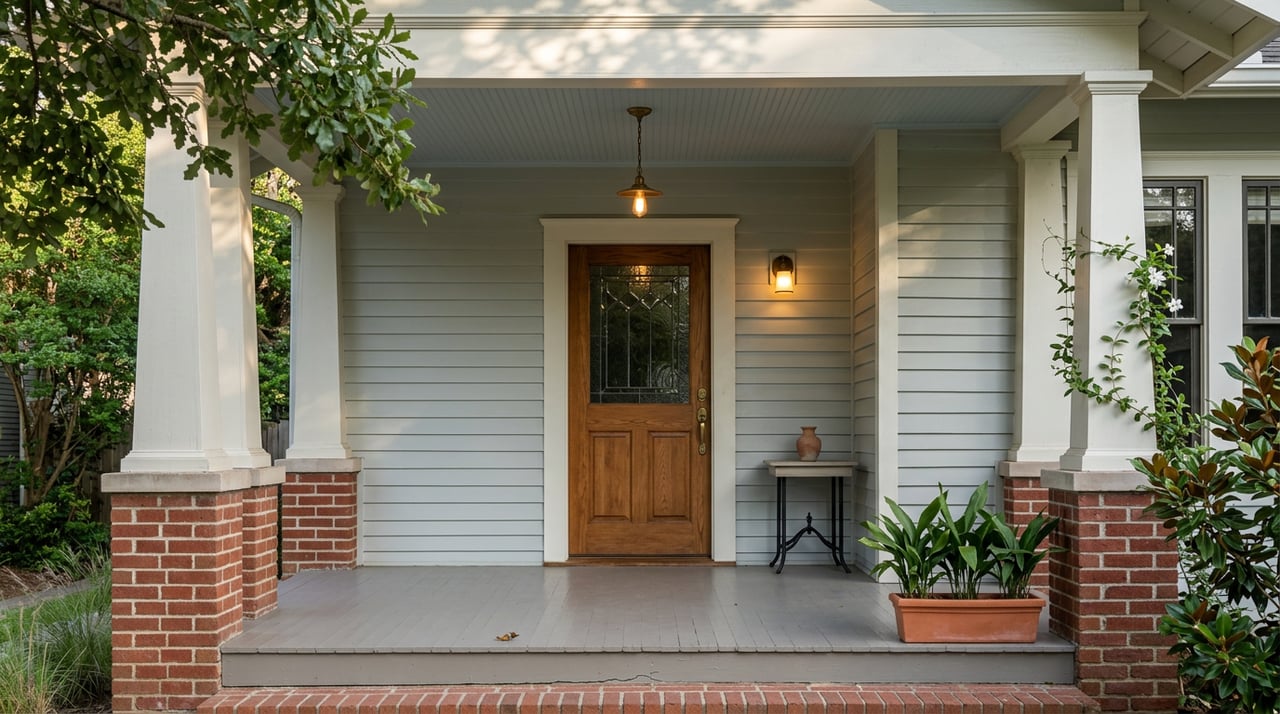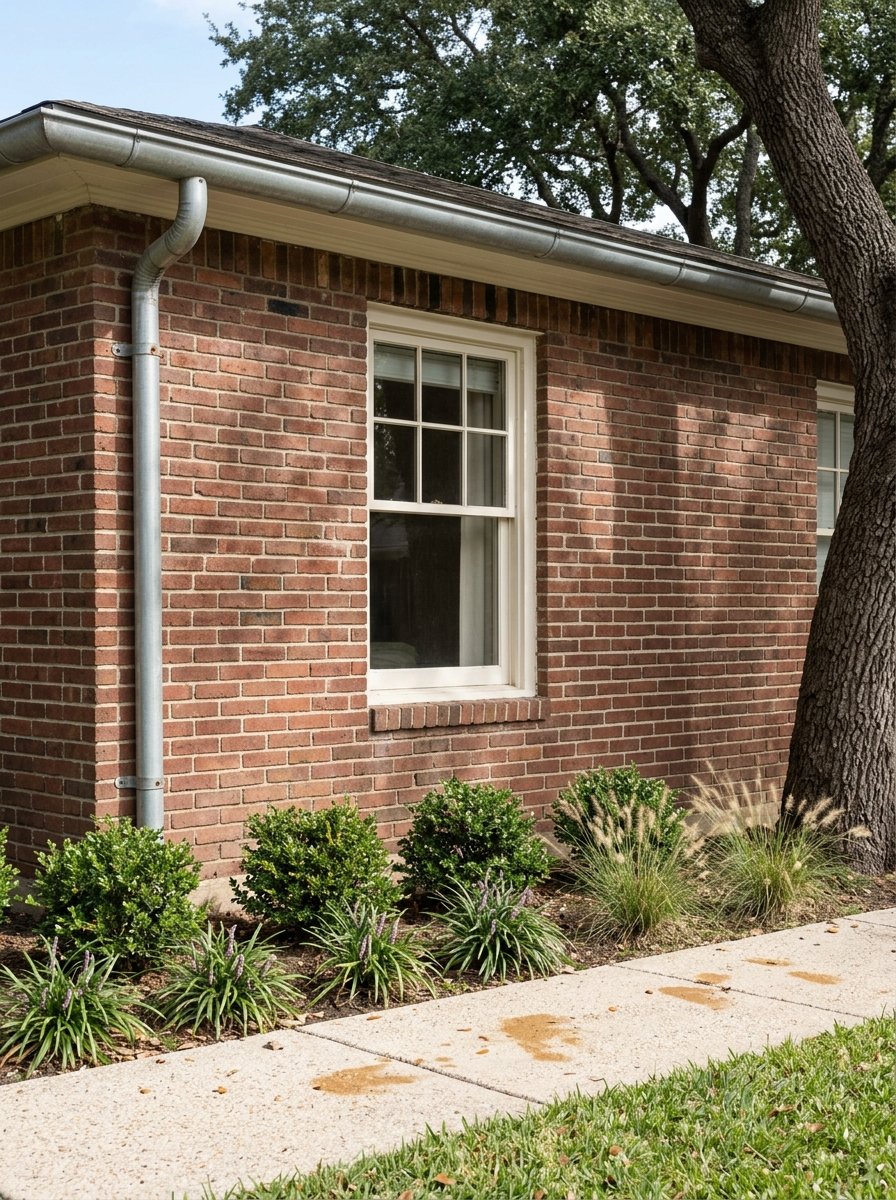
Wondering how to care for a historic home in Winnetka Heights without losing sleep, overspending, or stepping outside local rules? You are not alone. If you own, are buying, or hope to sell a historic home in this part of North Oak Cliff, a smart upkeep plan can protect both the house’s character and your long-term costs. The good news is that with the right sequence, clear records, and a realistic maintenance rhythm, historic ownership becomes much more manageable. Let’s dive in.
Why Winnetka Heights upkeep is different
Winnetka Heights is a Dallas Landmark District, adopted in 1981, with more than 600 residential structures and 20 commercial structures across 50 blocks. The neighborhood is known for one-story frame bungalows and two-story Prairie-influenced Four Square homes, which means many maintenance needs center on wood trim, porches, windows, and rooflines.
That matters because upkeep here is not just about fixing what looks worn. In a historic district, the goal is to retain the building’s existing form, features, and materials whenever possible. In practice, that usually means maintenance and repair come before replacement.
It is also helpful to know that Winnetka Heights is the landmark district designation itself. It is separate from South Winnetka Heights, which is a different conservation-district effort nearby.
Start with Dallas approval rules
Before exterior work begins in Winnetka Heights, Dallas requires a Certificate of Appropriateness, often called a CA. Even work that counts as routine maintenance still requires a CA, although some minor items may be reviewed at the staff level.
The current application process runs through DallasNow. Dallas states that routine-maintenance review can be completed within 20 days after a complete application is filed, while standard review for contributing structures can take up to 65 days.
This is one of the biggest planning points for owners. If you wait until a project becomes urgent, your timeline can tighten fast. For that reason alone, it helps to inspect early, document conditions, and plan exterior work before a small issue becomes a larger one.
What Dallas may treat as routine maintenance
Dallas defines routine maintenance as a specific category. Examples include:
- Same-material roof replacement with no color change
- Matching gutters and downspouts
- Storm windows and storm doors
- Screens
- Same-color repainting
- Restoration of original elements
- Minor same-material repair
- In-kind repair or stabilization of roofing, windows, columns, and siding
- Low-pressure water blasting or stripping
Just as important, some cleaning methods are not treated the same way. Dallas excludes sandblasting and high-pressure water blasting, and preservation guidance warns that abrasive cleaning can permanently damage historic materials.
Build your plan around water control
For most historic houses, the first maintenance priority is simple: keep water out. Preservation guidance says a weather-tight roof is basic to protecting the building, and roof failure can speed up deterioration in wood, paint, plaster, and masonry.
That is why roof and drainage issues should usually move to the top of your list. If you see ceiling stains, peeling paint near trim, soft porch flooring, or damp areas in the attic or crawlspace, those signs deserve prompt attention.
A repair decision should not be based on one quick glance from the street. Roof issues are best investigated with both interior and exterior inspection before the repair scope is set.
Follow a practical inspection rhythm
A written maintenance plan can make historic upkeep much easier. Preservation guidance recommends inspection schedules, baseline photos, contractor lists, and cost and warranty records.
A practical schedule for a Winnetka Heights home looks like this:
- Roof: annually in spring or fall
- Gutters and downspouts: every six months and after heavy rain
- Exterior walls, porches, and windows: annually
- Foundation and grade: annually
- Attic and crawlspace: every four months or after a major storm
You can adjust that schedule for your home’s condition, tree coverage, drainage pattern, and recent weather. The point is consistency. Small issues are cheaper to correct when you catch them early.
Focus on the features that define the house
In Winnetka Heights, porches and windows often do a lot of the architectural heavy lifting. They shape the look of the home, and they are also exposed to constant weather, movement, and wear.
That is why these features deserve regular attention, even if they do not seem urgent yet. A loose railing, failing paint film, or early wood deterioration can often be repaired before more material is lost.
Porches need seasonal attention
Porches should generally be inspected in spring and fall. A good approach is to maintain first, repair next, and replace only if necessary.
Look for areas where water may sit, where joints have opened, or where paint failure may be exposing wood. If porch reconstruction becomes necessary, that is usually a point where preservation-sensitive specialist help is worth bringing in.
Windows are usually worth repairing
Historic windows are often one of the first elements owners think about replacing, but preservation guidance encourages repair and retention whenever possible. That is especially relevant in a district where original materials matter.
If replacement becomes unavoidable, documentation is important. Preservation guidance calls for photographs and drawings of existing windows and proposed replacements, which is one reason window work in a historic district is best handled by a specialist who understands both performance goals and preservation standards.
There is also a comfort angle here. Storm windows can provide thermal performance similar to a new low-E vinyl replacement window, which means you may have more options than full replacement.
Be careful with paint, masonry, and cleaning
Historic exteriors respond better to thoughtful maintenance than aggressive treatment. If painted woodwork is sound and only faded, there may be no physical reason to repaint right away. If it is simply dirty, gentle cleaning may buy you more time.
When repainting is needed, it is smart to correct the underlying deterioration first. Fresh paint over moisture problems or failing substrate usually does not last.
Masonry needs the same respect. Repointing should match the historic mortar’s strength and permeability, since mortar is meant to be sacrificial. Using the wrong mortar can lead to avoidable damage over time.
Make comfort upgrades in the right order
Many buyers love Winnetka Heights for its architecture, but they still want modern comfort. The best path is usually not to start with the most visible change. Preservation guidance recommends beginning with an energy audit, then addressing air infiltration, system efficiency, window and door repair, insulation, and shading.
That order matters because it helps improve performance while minimizing impact on historic materials. It also keeps you from spending money on upgrades before you understand where the home is actually losing efficiency.
Start with attic and crawlspace insulation
For many historic homes, attic insulation is the best first insulation project. Basements or crawlspaces often come next.
Wall insulation is often less cost-effective or less sensitive in historic buildings and may trap moisture or damage finishes. If comfort is your goal, the quieter win is often above or below the living space, not inside the walls.
Plan systems with minimal intrusion
If HVAC or electrical systems need replacement, the goal is to choose equipment and routing that cause the least intrusion into historic fabric. Duct placement and system layout deserve careful planning.
The same principle applies to solar. Preservation guidance cautions against placing panels on primary elevations or highly visible roof slopes if that would harm historic character.
Budget with a reserve mindset
Historic homes reward planning. Preservation guidance notes that maintenance is generally far less expensive than replacement, and careful scheduling helps control costs.
A useful benchmark for reserve planning is 2% to 4% of replacement value annually for full maintenance, though that should be treated as a planning guide rather than a strict rule for a single-family home. Some years may be light. Others may include larger needs like roof stabilization, chimney repair, or major exterior painting.
A practical way to budget is to split your list into three buckets:
- Immediate: active leaks, drainage failures, unsafe conditions
- Near-term: paint failure, porch repair, window repair, flashing issues
- Planned: comfort upgrades, cosmetic projects, longer-range improvements
That framework can help you avoid spending on appearance before you address the envelope and structure.
Sequence projects the smart way
If you are not sure what to tackle first, a preservation-based order of operations can simplify decisions.
Use this sequence:
- Stop active water intrusion
- Stabilize roofs, chimneys, gutters, and envelope issues
- Repair original windows, porches, paint, and masonry
- Make comfort and efficiency upgrades
- Consider cosmetic or discretionary changes last
That order aligns with the preservation standard of repair before replacement and fits the reality of Dallas review requirements for exterior work.
Know when to call a specialist
Some projects are manageable with a good maintenance plan. Others deserve experienced hands from the start.
Specialist help is especially valuable for:
- Roof leaks
- Chimney repair
- Repointing masonry
- Porch reconstruction
- Historic window repair
- Mechanical, electrical, or plumbing work
Preservation guidance notes that first-time maintenance planning may benefit from a preservation architect or consultant. Dallas also states that plumbing and mechanical contractors working on a home must be licensed, electrical work generally requires permits, and homeowners remain responsible for permits and inspections where required.
Keep records that help now and later
A current maintenance file is one of the most useful tools you can keep. Save inspection notes, before-and-after photos, invoices, warranty details, and paint colors.
That record helps you make better decisions over time. It can also be useful when you eventually sell, because it shows that the home’s key features have been cared for consistently.
Historic ownership in Winnetka Heights works best when you stay proactive, respect the district process, and tackle work in the right order. If you are buying, selling, or planning your next move in North Oak Cliff, the local context matters. For tailored guidance on historic homes and neighborhood-specific strategy, connect with Hewitt+Saucedo Realty Group.
FAQs
What approvals are needed for exterior work in Winnetka Heights?
- Exterior work in the Winnetka Heights Landmark District requires a Certificate of Appropriateness from Dallas before work begins, including routine maintenance items.
How long does routine maintenance review take in Dallas historic districts?
- Dallas states that routine-maintenance review can be completed within 20 days after a complete application is filed, while standard review for contributing structures can take up to 65 days.
What should homeowners inspect first on a historic Winnetka Heights house?
- Water control should come first, especially the roof, flashing, gutters, downspouts, attic, crawlspace, and any signs of active moisture intrusion.
Are original windows worth repairing in a historic Dallas home?
- Yes. Preservation guidance recommends repairing and retaining historic windows whenever possible, and storm windows can offer thermal performance similar to a new low-E vinyl replacement window.
What is the best first energy upgrade for a Winnetka Heights historic home?
- Preservation guidance says attic insulation is often the best first insulation project, with crawlspace or basement areas often next, after evaluating the home with an energy audit.
How should owners budget for historic home upkeep in Winnetka Heights?
- A useful reserve-planning benchmark is 2% to 4% of replacement value annually for full maintenance, while treating that figure as a planning guide rather than a fixed rule.