Looking for a Dallas neighborhood where daily life feels both active and grounded? In Lakewood and the broader 75214 pocket of East Dallas, the rhythm often revolves around familiar places: a lake loop in the morning, a quick coffee or errand close to home, and evenings shaped by neighborhood traditions and well-established streets. If you are trying to picture what it is actually like to live here, this guide will walk you through the routines, places, and patterns that define day-to-day life. Let’s dive in.
What daily life feels like here
Lakewood and East Dallas tend to feel neighborhood-scaled rather than built around one single commercial core. White Rock Lake anchors much of the outdoor routine, while smaller retail clusters, local parks, and connected streets shape the rest of the day.
That makes the area feel practical in a very livable way. Instead of driving to one giant destination for everything, you are more likely to build your routine around repeat stops that become part of your week.
White Rock Lake sets the pace
For many residents, White Rock Lake is the biggest part of the area’s everyday rhythm. Dallas Parks describes it as a heavily used park about five miles northeast of downtown, with a loop trail of roughly 9.3 to 9.4 miles.
That trail access helps explain why morning runs, bike rides, dog walks, and casual time by the water are so common here. The lake also includes picnic areas, boat ramps, kayak access, and dog park access, so it supports both quick outings and longer weekend routines.
Trails support everyday routines
The lake is not the only piece of the outdoor picture. Dallas Parks notes that the White Rock trail system connects with the White Rock Creek Greenbelt Trail, and the Santa Fe Trail runs from White Rock Lake toward lower East Dallas.
The Santa Fe Trail also passes through Mount Auburn and Hollywood/Santa Monica before connecting back to the lake. In day-to-day terms, that means biking and longer neighborhood-to-neighborhood rides are a real part of local life, not just a weekend activity.
Neighborhood parks keep things close
Smaller parks help keep everyday recreation local. Lakewood Park spans 16.7 acres and includes a baseball field, playground, tennis court, picnic tables, and trails.
Tietze Park offers a different mix, with a pool, pavilion, basketball, volleyball, tennis, softball, shaded areas, and trails across 8.2 acres. If you want an easy park stop without heading all the way to the lake, these neighborhood parks add flexibility to the routine.
Errands stay close to home
One of the defining parts of living in Lakewood and East Dallas is how many daily needs are handled in compact retail nodes. You are not relying on a single giant shopping corridor. Instead, the area offers a network of practical, nearby destinations.
That setup can make the week feel simpler. Coffee, pharmacy runs, takeout, grocery stops, and service appointments often happen within a familiar local circuit.
Lakewood’s historic shopping hub
Around Abrams and Gaston, the historic Lakewood shopping area has long served as a retail center for East Dallas. It remains an important part of the area’s day-to-day pattern because it combines history with practical convenience.
Nearby, Lakewood Square adds an especially useful mix of everyday tenants. The center includes food, shopping, and services such as Café Rio, Pieology Pizzeria, Wasabi Japanese Grill, CVS Pharmacy, Michaels, The UPS Store, Chase Bank, and other personal-service businesses.
Hillside Village adds neighborhood convenience
Hillside Village gives the area another familiar stop for everyday needs. Its tenant mix includes dining, grocery, fitness, and specialty businesses, which supports the kind of short, repeat visits that shape neighborhood life.
Official directory information lists places such as White Rock Coffee, Dream Café, Haystack Burgers, Olivella’s, and Playtri, along with a broader mix of services and conveniences. For many residents, that blend adds to the sense that errands here can feel local and manageable.
Greenville Avenue broadens your options
East Dallas residents also benefit from Greenville Avenue as part of their wider neighborhood network. City planning materials note that Greenville Avenue includes popular bars, restaurants, and retail establishments.
In practical terms, that gives you another everyday option nearby without changing the overall feel of the area. Lakewood and East Dallas often work best when you think of them as overlapping local destinations rather than one single center.
Getting around in Lakewood and East Dallas
Most daily life in this part of Dallas reads as car-friendly first, with transit and bike access as meaningful supplements. That balance is part of what makes the area work for many households.
You can usually move through the area in a straightforward way by car, but you also have real options for transit and trail-based recreation or shorter trips. That flexibility matters if you want more than one way to navigate your week.
DART gives the area useful coverage
DART provides several concrete transit connections for Lakewood and East Dallas. Route 9 Jefferson-Gaston is listed among DART’s 15-minute local midday routes, while Route 17 Skillman is listed among its 20-minute routes.
SMU/Mockingbird Station, located on Mockingbird Lane at US 75, is served by the Red, Orange, and Blue lines. For residents who want transit options for certain trips, those routes and rail access add another layer of convenience.
Trails matter beyond recreation
In this area, trails do more than support exercise. White Rock Lake’s loop trail and its connections to other routes make shorter bike trips and active outings more realistic than in many neighborhoods.
That does not make Lakewood or East Dallas car-free, but it does mean the trail network plays a real role in everyday mobility. For some residents, that is part of the appeal.
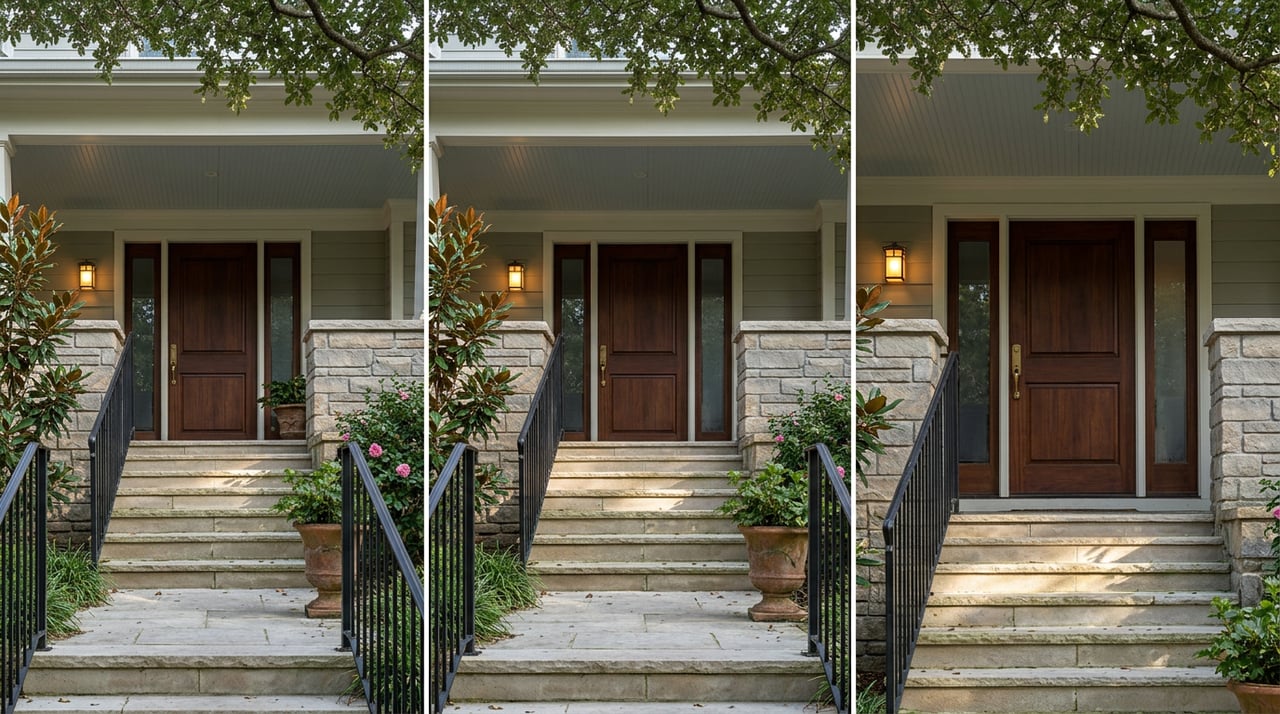
Home styles shape the neighborhood feel
Daily life here is not only about amenities. The look and texture of the streets also play a big role in how Lakewood and East Dallas feel.
Lakewood is formally treated as a conservation district, which signals that the neighborhood’s architectural and cultural attributes are considered an important part of its identity. In other words, the housing stock is part of the experience of living here, not just a backdrop.
Historic architecture stands out
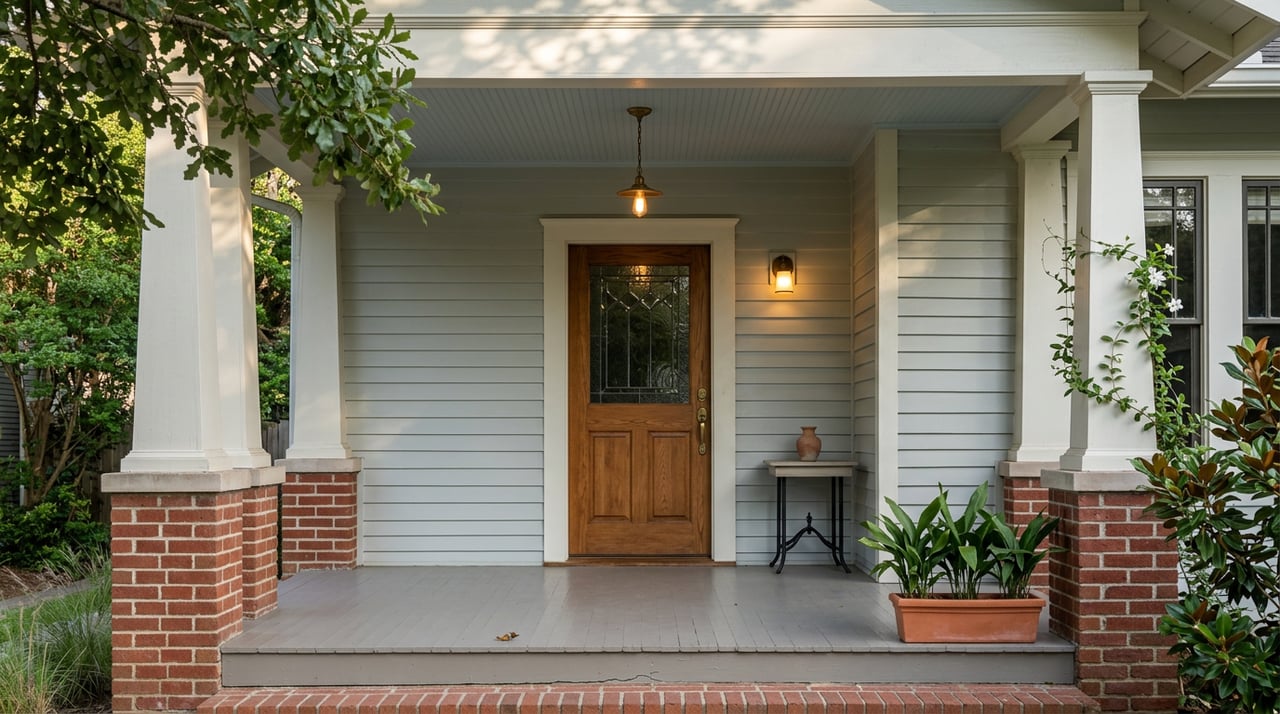
City materials identify many contributing Lakewood homes in Tudor, Spanish Eclectic, French Eclectic, Colonial Revival, and Neoclassical styles. Inventories also show many houses from the 1920s and 1930s, especially along Lakewood Boulevard, alongside some later infill.
That mix gives many streets a sense of continuity and character. If you are drawn to established neighborhoods with preserved period architecture and thoughtful updates, this part of East Dallas often stands apart from more uniform housing patterns.
East Dallas offers variety, not sameness
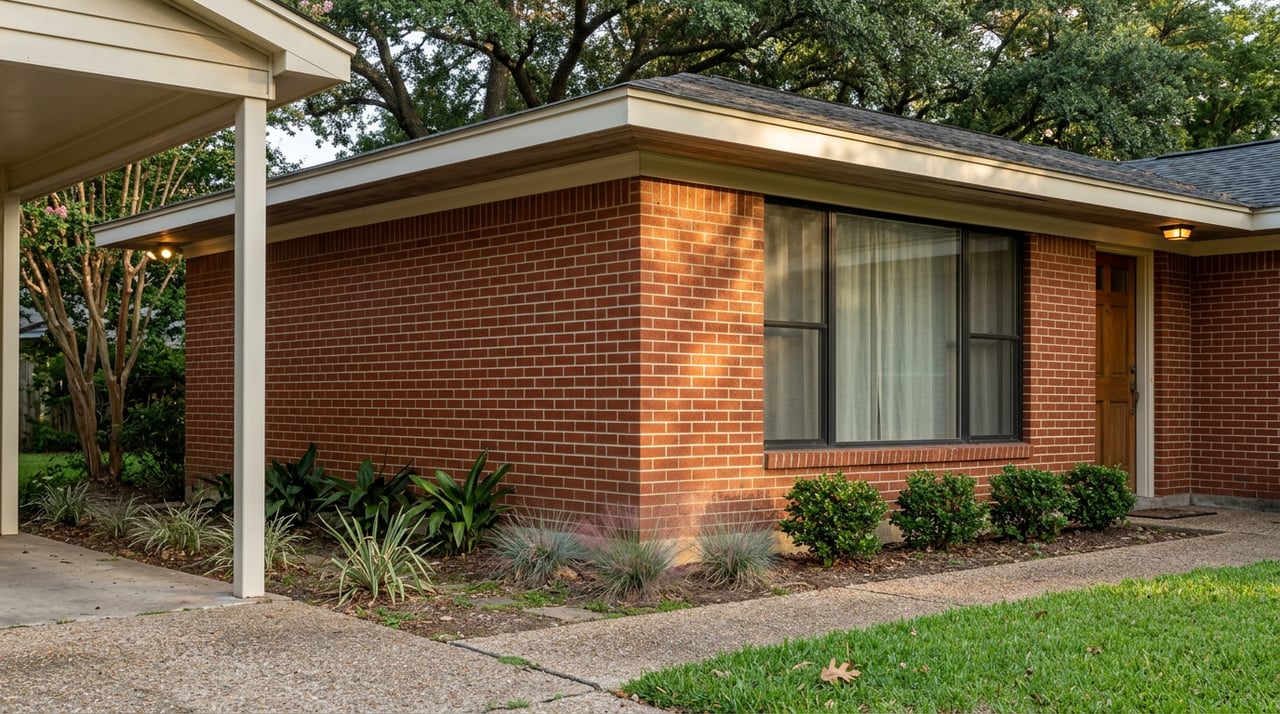
Nearby East Dallas conservation areas show a related but slightly different pattern. In the M-Streets East conservation district, city materials describe Tudor as the dominant style, with notable Colonial Revival, Craftsman, and Minimal Traditional homes as well.
Those same materials also note that some older homes have been replaced by more contemporary construction. The result is a neighborhood texture that feels layered rather than one-note.
Community routines make the area memorable
What often leaves the strongest impression in Lakewood and East Dallas is not just the lake or the homes. It is the pattern of repeat routines and visible neighborhood participation.
Lakewood Neighborhood Association describes the area as tree-lined and community-oriented. It also notes that member dues help fund additional patrols and beautification projects, which points to a culture that values upkeep and block-level identity.
Traditions help define local identity
The Lakewood 4th of July Parade is one of the clearest examples of that community spirit. The parade began in 1964, is run entirely by volunteers, and has grown into a long-standing East Dallas tradition.
With bikes, golf carts, floats, and neighborhood watch parties, it reflects the kind of recurring ritual that can make a place feel connected over time. For many buyers, that kind of lived-in community pattern is just as meaningful as square footage or finish level.
Why buyers and sellers pay attention to 75214
If you are considering a move, the day-to-day lifestyle in 75214 can help explain the area’s lasting appeal. Buyers are often drawn to the combination of outdoor access, established streets, neighborhood retail, and recognizable local routines.
For sellers, those same qualities help tell a stronger story about what life in the home actually feels like. In a neighborhood-driven market, lifestyle context can matter just as much as the property itself.
When you understand how Lakewood and East Dallas function from one day to the next, you can make a more confident decision about whether the area fits your goals. If you want guidance on buying, selling, or finding the right fit within East Dallas, connect with Hewitt+Saucedo Realty Group.
FAQs
What is day-to-day life like in Lakewood and East Dallas?
- Day-to-day life in Lakewood and East Dallas often centers on White Rock Lake, neighborhood parks, compact shopping areas, and repeat local routines like coffee stops, trail outings, and nearby errands.
What outdoor activities are common near Lakewood and 75214?
- Common outdoor activities near Lakewood and 75214 include walking, running, biking the White Rock Lake loop, visiting neighborhood parks, using trails like the Santa Fe Trail, and spending time near the water.
What shopping and dining areas serve Lakewood and East Dallas residents?
- Lakewood residents often use the historic shopping area near Abrams and Gaston, Lakewood Square, Hillside Village, and nearby Greenville Avenue for dining, errands, and everyday services.
How do people get around Lakewood and East Dallas?
- Most residents use cars for daily travel, but the area also has useful DART service, access to SMU/Mockingbird Station, and connected trails that support biking and recreation.
What kinds of homes are common in Lakewood and East Dallas?
- Common home styles in Lakewood and nearby East Dallas include Tudor, Spanish Eclectic, French Eclectic, Colonial Revival, Craftsman, Neoclassical, and some newer infill or replacement homes.
What gives Lakewood its neighborhood character?
- Lakewood’s character comes from its conservation district status, tree-lined streets, preserved period architecture, neighborhood parks, local retail nodes, and long-running traditions like the Lakewood 4th of July Parade.