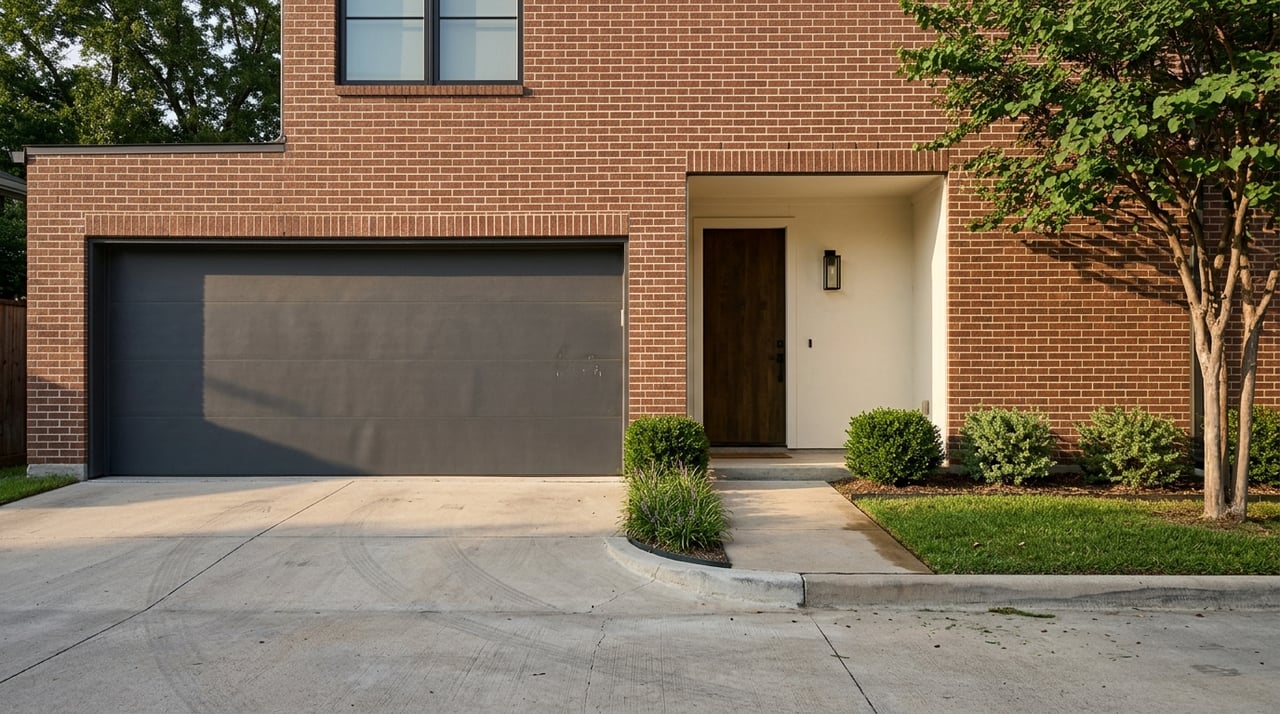
Trying to choose between a single-family home and a townhome in Old East Dallas? It is a smart question, especially in an area where historic character, attached housing, parking details, and long-term upkeep can all shape your day-to-day experience. If you are weighing privacy against convenience, or yard space against a more lock-and-leave lifestyle, this guide will help you sort through the tradeoffs with a local lens. Let’s dive in.
Why This Choice Matters in Old East Dallas
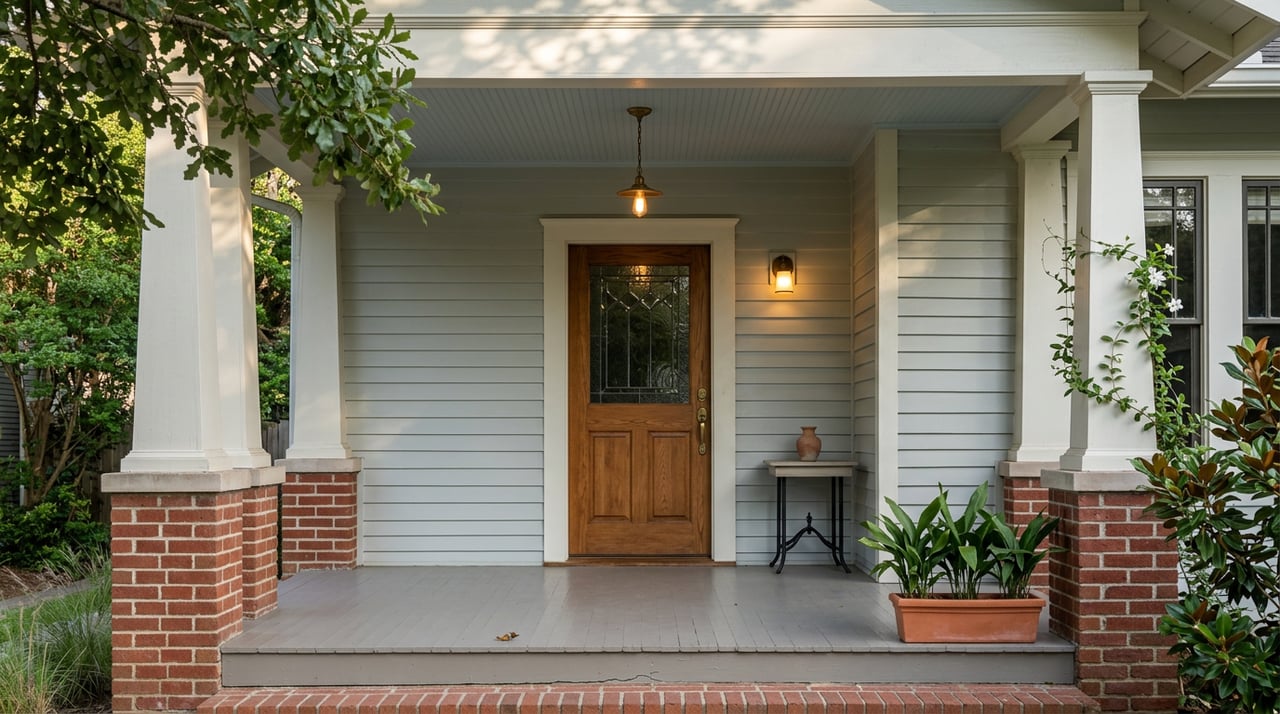
Old East Dallas is not a one-note housing market. City preservation materials identify historic districts such as Junius Heights, Munger Place, and Peak’s Suburban Addition, with housing stock that leans heavily toward early-20th-century detached homes like Craftsman bungalows, Prairie houses, and Victorian cottages.
That backdrop matters because your choice is not just about square footage. In this part of Dallas, you are often choosing between two very different ways of living, maintaining property, and planning for future updates.
The broader East Dallas market also gives useful context. As of May 2026, Redfin reported a median sale price of $818,475, with homes selling in about 26 days and 337 homes sold in the prior three months. While that is a broader East Dallas benchmark rather than Old East Dallas only, it shows a market where both detached homes and attached options are part of the conversation.
Townhome vs Single-Family in Dallas
Before comparing lifestyle, it helps to clear up one common misconception. In Dallas planning materials, townhomes are treated as attached homes, and the city counts townhomes with single-family housing units rather than with multifamily apartments.
That means this is not really a house-versus-apartment decision. It is more often a choice between two owner-occupied housing types with different maintenance demands, lot configurations, and levels of privacy.
Single-Family Homes: More Space and Control
A detached single-family home in Old East Dallas often gives you more privacy and more control over your property. You may have a larger yard, more room for pets, extra storage, and more flexibility for gardening or outdoor living.
That extra space can also create more options over time. If you want room to grow, rework a layout, or take on future remodeling, a detached home often gives you a wider path than a more compact attached property.
In some Old East Dallas districts, that space comes with architectural character that is hard to replicate. City district reports show a strong presence of Craftsman bungalows, Folk Victorian cottages, and Prairie homes, especially in historic residential areas.
Where Single-Family Living Can Get Complicated
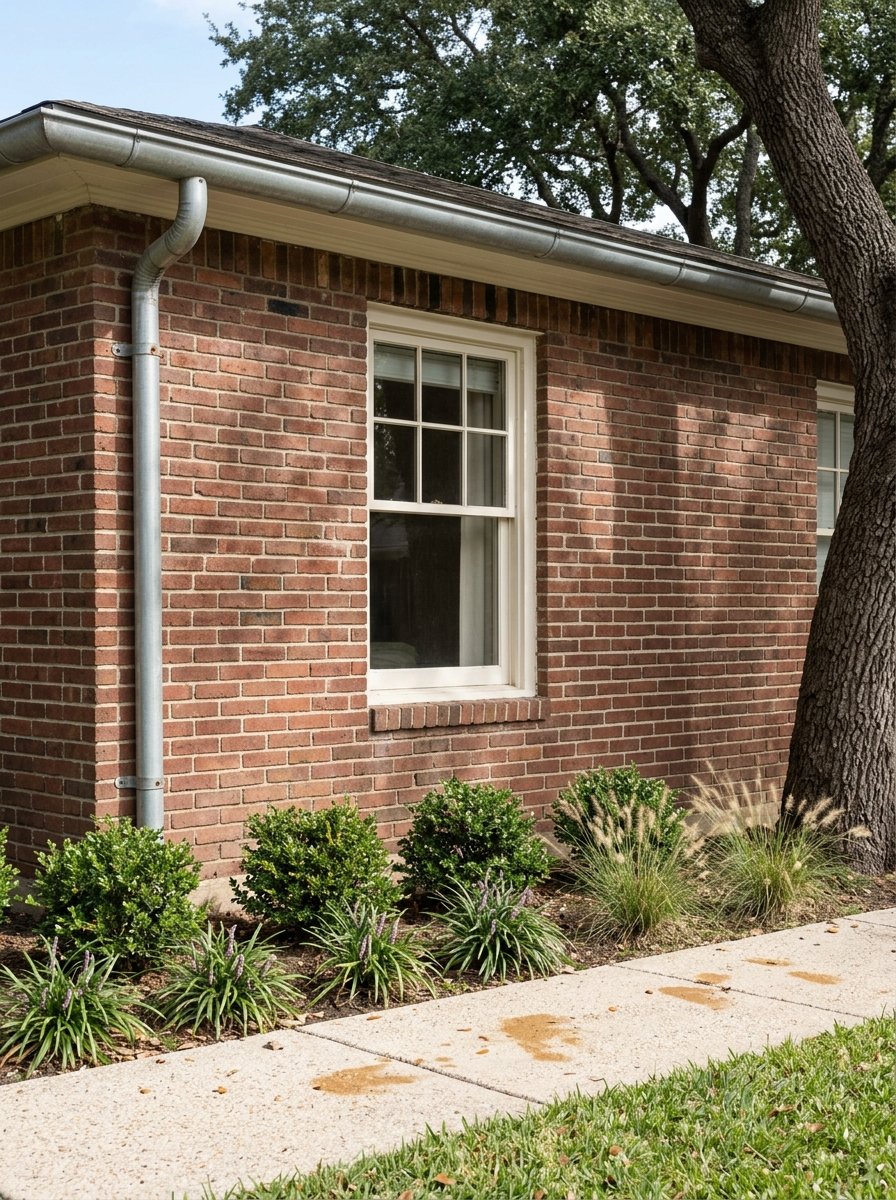
More freedom also means more responsibility. With a detached home, you typically carry the full burden of exterior upkeep, including roof maintenance, drainage issues, yard care, fencing, and other property repairs.
In Old East Dallas, you also need to pay close attention to whether a specific parcel sits in a historic overlay or conservation district. According to Dallas building and preservation guidance, exterior work may require a certificate of appropriateness and compliance with district-specific standards before work begins.
That is why it is important to verify the exact designation of a property rather than relying on the neighborhood name alone. Two nearby homes can look similar but fall under different rules.
Townhomes: Simpler Upkeep and Compact Living
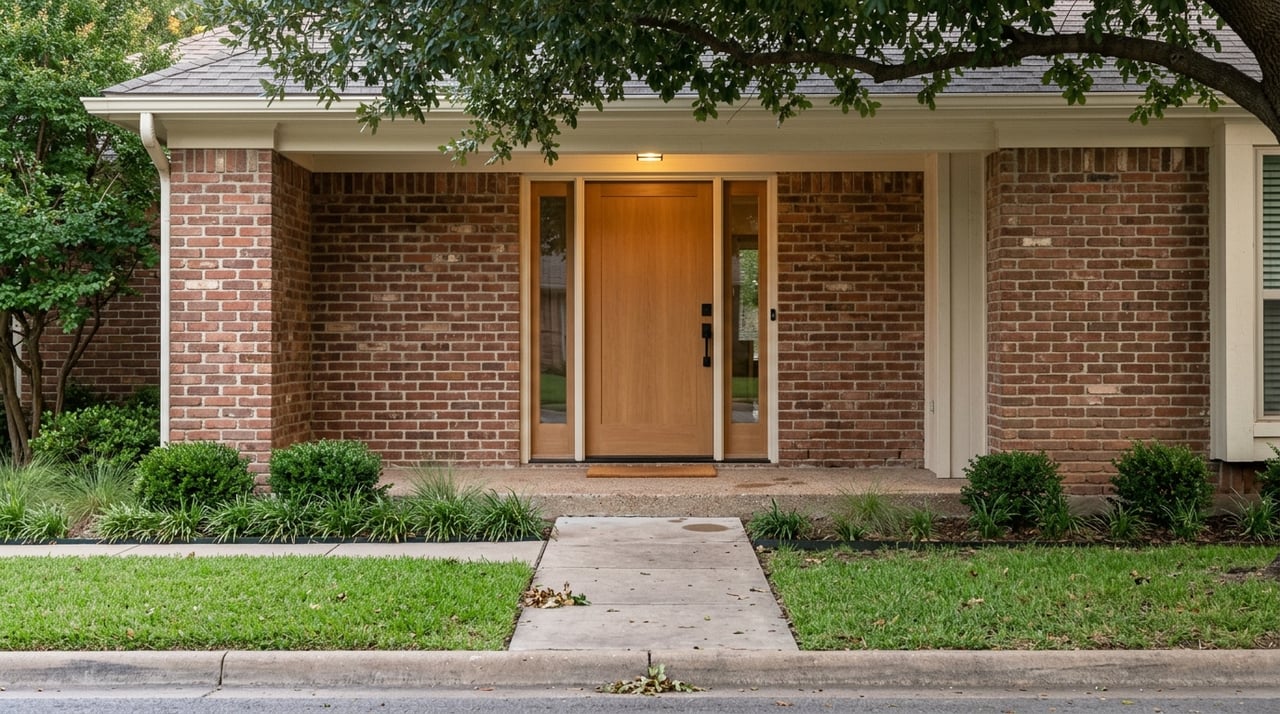
A townhome changes the day-to-day equation. Because Dallas defines townhouses as attached homes with multiple units on separate lots, townhome living usually means a more compact footprint, less yard area, and somewhat less privacy than a detached house.
For many buyers, that tradeoff is worth it. A townhome often feels easier to manage and more convenient for a lock-and-leave lifestyle, especially if you do not want the ongoing work that comes with a larger lot.
This can be especially appealing if you value predictability in your routine. Smaller outdoor areas, attached construction, and less land to manage can make homeownership feel more streamlined.
What to Review Before Buying a Townhome
Lower exterior maintenance does not mean no maintenance. In many townhome communities, part of the exterior burden shifts to a property owners association, which can simplify upkeep but also adds recurring dues, rules, and the possibility of assessments.
Texas Property Code Chapter 209 governs many mandatory residential property owners associations and addresses issues like open board meetings, assessments, fines, and architectural-control appeals. For you as a buyer, that means the HOA documents deserve the same level of review as the floor plan and finish-out.
A well-run association may support a smoother ownership experience. But the monthly dues, restrictions, and approval processes should fit your budget and your expectations.
Lifestyle Differences That Matter Most
When buyers compare homes in Old East Dallas, the best choice usually comes down to how you want to live every day. The floor plan matters, but so do the less obvious details that shape convenience, privacy, and flexibility.
Here is a simple side-by-side view:
| Feature | Single-Family Home | Townhome |
|---|---|---|
| Privacy | Usually more privacy | Usually less privacy due to attached walls |
| Outdoor space | Larger yard or garden area | Smaller patio, courtyard, or limited yard |
| Maintenance | Owner handles exterior upkeep | Some exterior upkeep may be shared through HOA |
| Flexibility | More control over lot and future changes | More community rules may apply |
| Lifestyle feel | Roomier and more customizable | More compact and lock-and-leave |
Neither option is automatically better. The right fit depends on whether you value land, separation, and control more than ease, efficiency, and a simpler maintenance routine.
Historic District Rules Can Shape Your Decision
In Old East Dallas, historic status can be a major factor, especially for detached homes in older residential districts. Preservation standards can help maintain neighborhood character and consistency, but they can also limit what kinds of exterior changes are allowed.
That does not make historic homes harder or easier across the board. It simply means you should factor approval timelines, design standards, and renovation goals into your search if you are considering a property in a protected district.
If resale is on your mind, this can cut both ways. Historic designation may appeal strongly to buyers who want preserved character, while also narrowing the buyer pool to people comfortable with those rules.
Parking and Alley Access Deserve Attention
Parking is easy to overlook until it affects your daily routine. Dallas adopted Parking Reform on May 14, 2025, and the city summary states that single-family and duplex homes in R, D, and TH zoning districts generally require one parking space per dwelling unit.
That baseline requirement does not tell the whole story, though. In Old East Dallas, garage count, alley access, guest parking, and the practical setup of driveways can make one property far easier to live with than another.
Dallas also removed some garage setback requirements when access is from an alley. At the same time, Dallas Sanitation says curbside collection is standard, while alley service is by exception and depends on alleys meeting minimum design standards.
Questions to Ask About Parking
Before you buy, it helps to look beyond the listing photos and ask practical questions such as:
- How many dedicated parking spaces does the home actually have?
- Is garage access from the front or an alley?
- Is there realistic guest parking nearby?
- How does trash pickup work on this block?
- If there is an alley, does it appear functional and well maintained?
These details may sound small, but they can have a real impact on day-to-day convenience.
Outdoor Space and Climate Considerations
Outdoor space is not just about entertaining or pets. In East Dallas, it also ties into how much exterior exposure and upkeep you want to manage.
Redfin and First Street data for East Dallas points to severe heat risk, moderate flood risk, and major wind risk. That makes shade, drainage, roof exposure, tree cover, and hardscape maintenance practical concerns for buyers comparing property types.
Detached homes usually offer more usable yard space, which can be a major advantage if you want room outside. But more land also means more responsibility for watering, drainage, fencing, and general upkeep.
Townhomes usually concentrate outdoor living into smaller patios or courtyards. That can reduce the amount of exterior area you need to manage, which may be a plus if you prefer simpler ownership.
Property Taxes and Ongoing Costs
Your monthly payment is only one part of affordability. In Dallas County, property taxes are a major carrying cost, and rates vary by taxing unit based on taxable value.
DCAD also states that a residence homestead exemption requires you to own and reside in the home on January 1. Once the exemption is in place, the homestead cap generally limits appraised value increases to 10% per year until the value reaches market value.
That applies whether you buy a detached home or a townhome, but the overall cost structure may feel different. A single-family home may come with more direct repair and landscape costs, while a townhome may replace some of that unpredictability with HOA dues and community fees.
Which Option Fits Your Priorities?
If you want more privacy, more outdoor room, and more freedom to shape the property over time, a single-family home will often make more sense. That is especially true if you appreciate the architectural character found in parts of Old East Dallas and are comfortable taking on the upkeep that comes with it.
If you want a more compact footprint and less exterior work in your weekly routine, a townhome may be the better fit. For many buyers, the appeal is not just lower maintenance, but a more predictable ownership experience.
The key is to match the property type to your lifestyle, not just your budget. In Old East Dallas, the better choice usually comes down to whether you value space and flexibility more than convenience and simplicity.
If you are comparing homes across East Dallas and want help weighing historic district rules, parking realities, resale considerations, and off-market opportunities, Hewitt+Saucedo Realty Group can help you narrow the options with clear, neighborhood-specific guidance.
FAQs
What is the main difference between a single-family home and a townhome in Old East Dallas?
- A single-family home usually offers more privacy, yard space, and control over the property, while a townhome usually offers a more compact layout with less exterior upkeep.
Are townhomes considered single-family housing in Dallas?
- Yes. Dallas planning and housing audit materials count townhomes with single-family housing units rather than with multifamily apartments.
Do historic district rules affect Old East Dallas homes?
- Yes. If a property is in a historic overlay or conservation district, some exterior work may require approval and must follow district-specific standards.
Is a townhome easier to maintain than a detached house in Old East Dallas?
- Usually yes for exterior upkeep, but that often comes with HOA dues, community rules, and the possibility of assessments.
What parking issues should buyers check in Old East Dallas?
- Buyers should review garage count, alley access, guest parking, driveway setup, and trash collection logistics because those details can vary a lot by property.
How do property taxes work for Old East Dallas homes?
- Dallas County property taxes vary by taxing unit, and owner-occupants may qualify for a residence homestead exemption if they own and live in the home on January 1.
Which home type is better for outdoor space in Old East Dallas?
- Detached single-family homes usually offer more usable yard space, while townhomes more often have smaller patios or courtyards with less land to maintain.