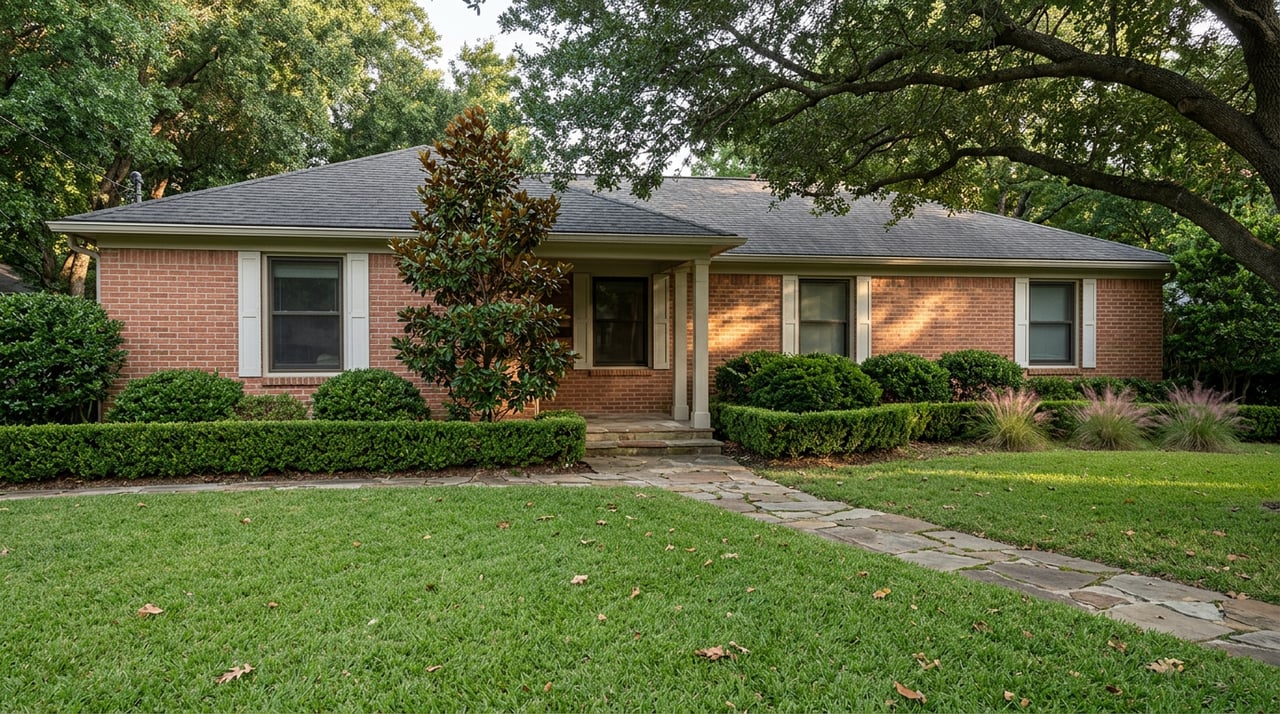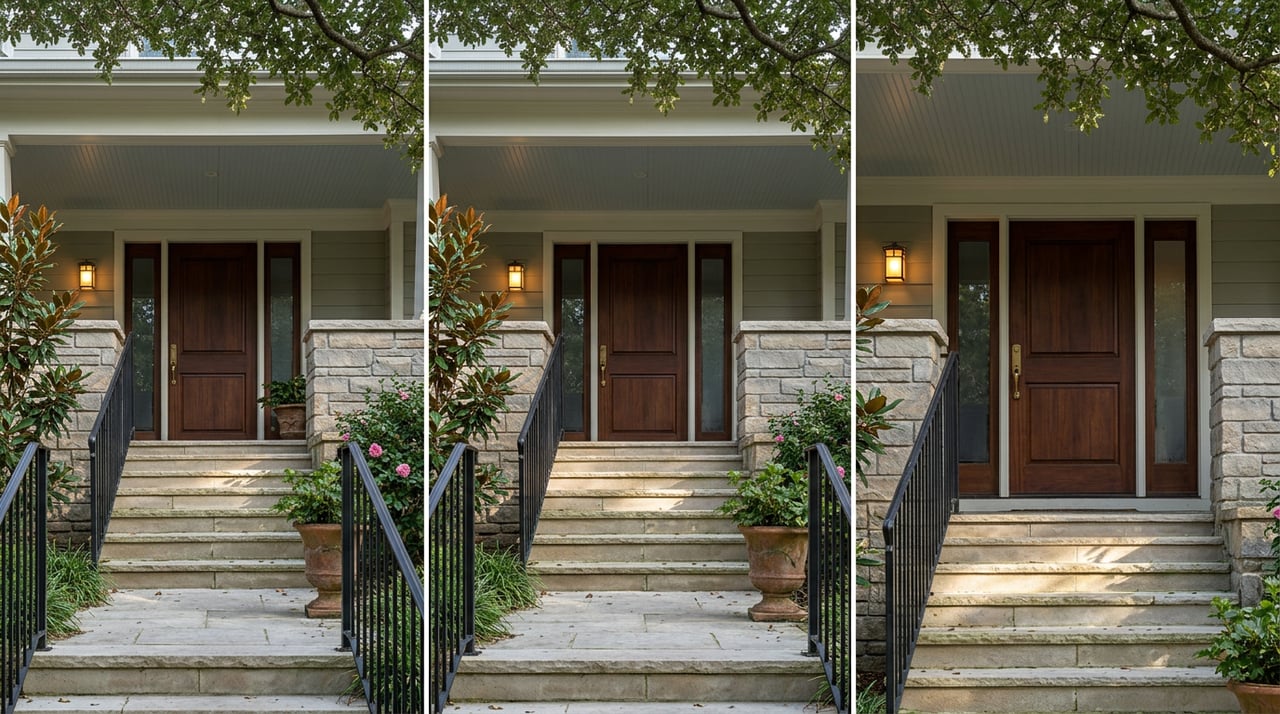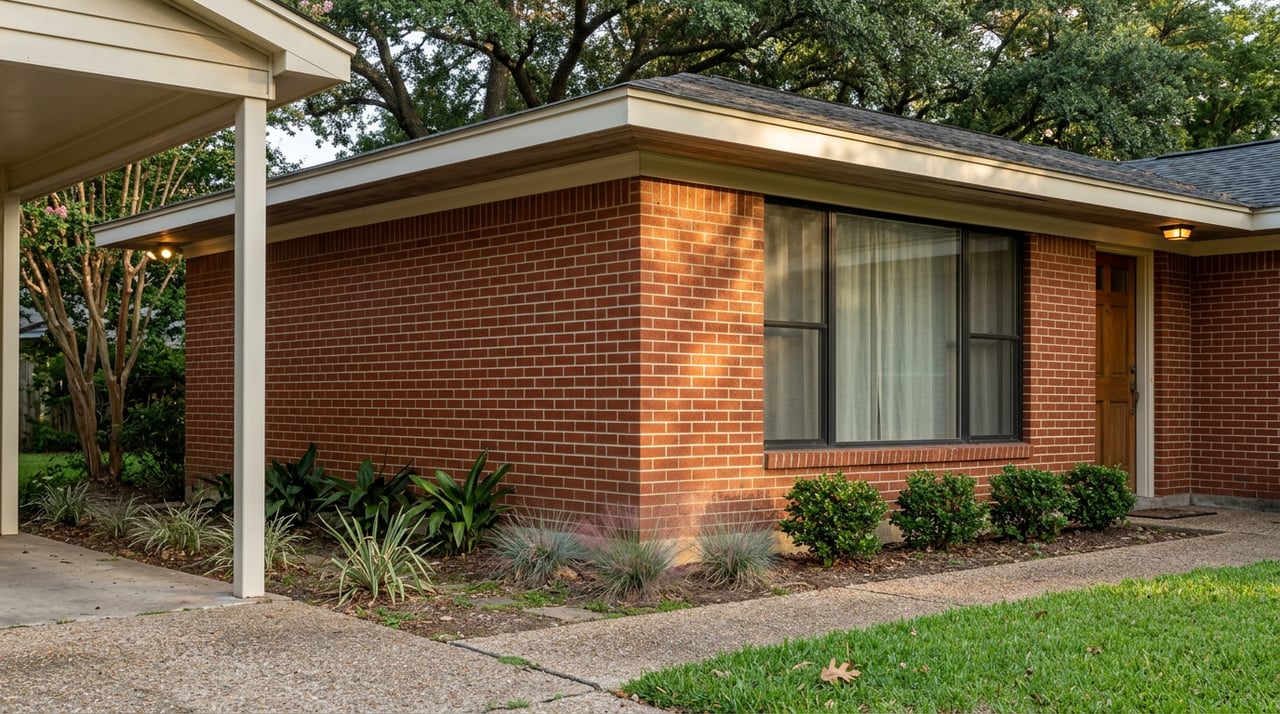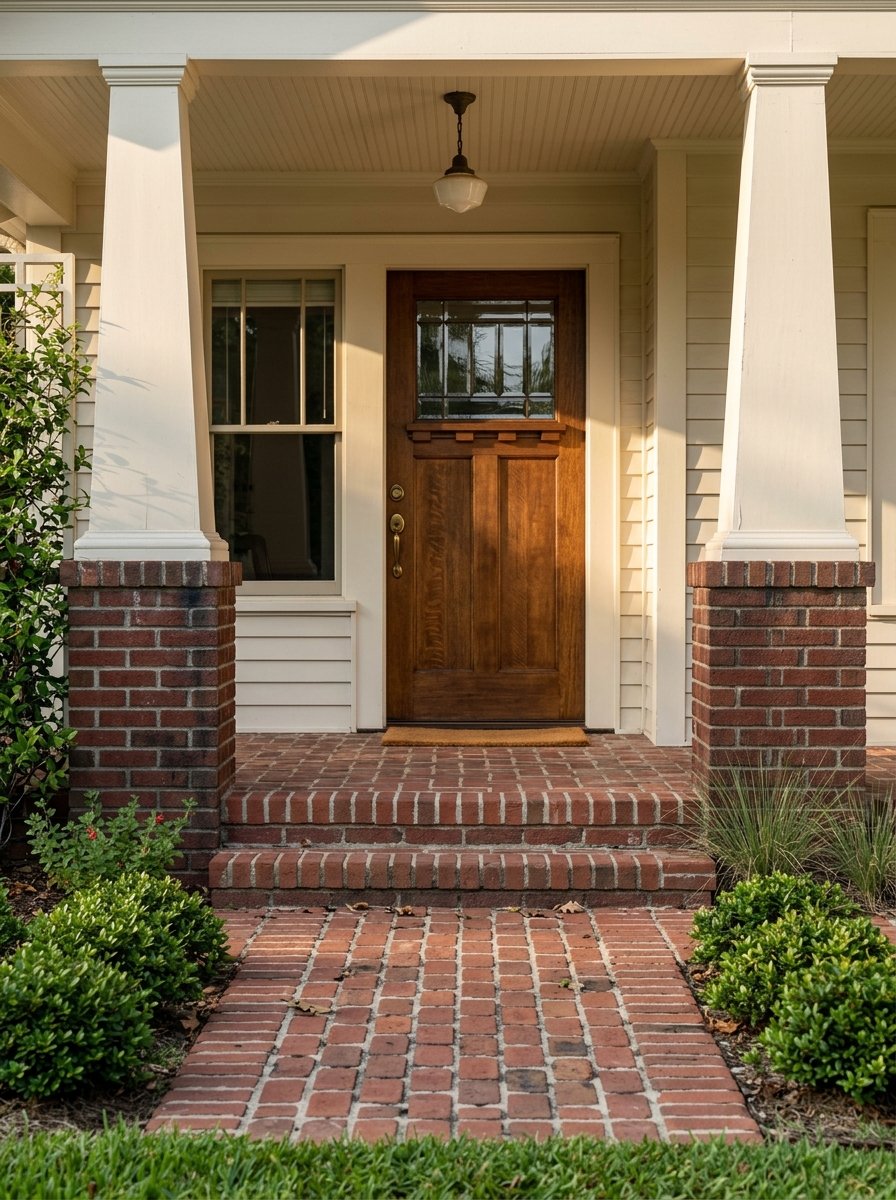
Wondering whether a historic home in Winnetka Heights is a dream buy or a renovation headache? The truth is, it can be both. If you love original architecture, established streetscapes, and the long-term appeal of a protected historic district, this neighborhood offers a lot to admire, but it also asks you to buy with your eyes wide open. This guide will help you understand the real risks, the real rewards, and the key questions to ask before you make an offer. Let’s dive in.
Why Winnetka Heights Stands Out
Winnetka Heights is one of Dallas’ most established historic neighborhoods. The area was platted in 1908 and includes more than 600 residential structures and 20 commercial structures across 50 city blocks. According to the City of Dallas, it is one of the most intact early 20th-century neighborhoods in Oak Cliff.
The neighborhood is known for one-story frame bungalows and two-story Prairie-influenced Four Square homes. It was adopted as Dallas’ sixth historic district in 1981 and is designated as a Dallas Landmark District. It is also listed on the National Register of Historic Places and the State Historic Marker Program.
For buyers, that history creates a strong sense of place. You are not just buying a house. You are buying into a neighborhood with architectural consistency, local identity, and preservation rules that help protect its appearance over time.
The Biggest Reward: Character With Scarcity
One of the main reasons buyers are drawn to Winnetka Heights is simple: there is only one Winnetka Heights. Historic homes with original design details, mature surroundings, and a cohesive streetscape are limited by nature. That scarcity can make the neighborhood especially appealing if you want something distinct from a more standard resale home.
Architectural integrity is a major part of that appeal. Because the district has local review rules for exterior changes, the neighborhood has retained much of its original scale and visual identity. That consistency is part of what many buyers value when they choose a historic district over a non-designated area.
Dallas research also points to a value story. Citywide, properties in historic districts were valued about 5% higher than similar properties in non-designated neighborhoods in 2021. While no neighborhood performs the same way in every market cycle, that data helps explain why preservation can support both lifestyle appeal and long-term value.
Why Local Historic Rules Matter
If you are thinking about buying here, the most important thing to understand is that the local Dallas Landmark District ordinance is what affects your day-to-day ownership. The National Register listing is meaningful, but by itself it does not protect a property from demolition or alteration. The local ordinance is what creates the exterior-review rules for the neighborhood.
That means exterior work is not handled the same way it would be in a typical non-historic neighborhood. Before exterior work can begin on structures or lots in Dallas landmark districts, a Certificate of Appropriateness is required. Dallas also makes clear that this approval does not replace a building permit.
What Changes May Need Approval
Many buyers are surprised by how broad the review process can be. Dallas says Certificate of Appropriateness review may apply to fences, gates, many landscaping changes, rear work, and even some work on non-contributing structures. In other words, you should not assume that a change is exempt just because it is behind the house or seems relatively minor.
Some repairs may qualify as Routine Maintenance if they do not change the design, material, or appearance. These applications are handled by staff and are generally processed within 21 days, often in 7 to 10 business days. More substantial alterations go to the Landmark Commission at a monthly hearing.
Demolition or removal requires a separate certificate. Dallas also notes that a Certificate of Appropriateness becomes void if continuous progress stops for more than 180 days. Violations can lead to fines of up to $2,000 plus civil enforcement.
Why Buyers Should Check Past Work
In Winnetka Heights, due diligence should go beyond a standard home inspection. If a prior owner changed windows, added on to the home, replaced exterior materials, installed fencing, or completed major hardscape work, you should verify whether the proper permits and historic approvals were obtained.
This matters for two reasons. First, unapproved work can create headaches if you want to make future changes or need to address a compliance issue. Second, alterations that do not fit the historic character of the home can affect both appearance and resale appeal.
You should also verify the exact tract for the property. Winnetka Heights has multiple tracts, and the ordinance includes tract-specific development standards and preservation criteria. That detail can shape what is allowed on a particular property.
The Real Renovation Risks in Early-1900s Homes
Historic homes can be deeply rewarding, but they rarely follow the same repair path as a newer house. In an early-1900s property, the most important pressure points often include the roof, gutters and downspouts, moisture intrusion, windows and doors, and foundation drainage.
Moisture is one of the biggest concerns. Preservation guidance notes that clogged or broken downspouts, cracks around openings, and chronic moisture around the foundation can accelerate deterioration. Keeping the roof weather-tight and the flashing in good condition is important, especially if you want to protect original materials.
Some repair shortcuts can also create new problems. Preservation guidance warns against heavy waterproof coatings that may trap moisture rather than solve the root issue. If you are evaluating a house with visible patching, fresh coatings, or signs of repeated water intrusion, it is worth asking deeper questions.
Windows Are a Major Decision Point
Windows are often one of the most sensitive issues in a historic home purchase. They affect appearance, maintenance costs, energy performance, and historic compliance. In a neighborhood like Winnetka Heights, they can also influence resale if a replacement changes the home’s original look.
Preservation guidance says repair should be the first option for historic windows. If replacement is unavoidable, the new unit should match the historic design and visual qualities as closely as possible. For a buyer, that means window condition is not just a line item on an inspection report. It can become a design, budget, and approval issue all at once.
Lead Paint Is a Practical Risk
Because Winnetka Heights homes were largely built in the early 1900s, buyers should assume there may be lead-based paint risk until testing shows otherwise. The EPA states that homes built before 1978 are more likely to contain lead-based paint.
This becomes especially important if paint is peeling, flaking, or likely to be disturbed during renovation. If you are planning repairs soon after closing, testing and lead-safe renovation practices should be part of your planning process. This is one more reason older homes require a more thoughtful pre-purchase review.
What to Inspect and Budget For
In this neighborhood, a smart inspection budget often means looking beyond a basic general inspection. You may want specialist input on several items before your option period ends or before you finalize your renovation budget.
Consider closer evaluation of:
- Roof condition
- Gutters and downspouts
- Moisture management and drainage
- Window condition and repair needs
- Masonry condition
- Porch structure
- Any visible signs of unpermitted exterior modifications
The goal is not to overcomplicate the purchase. It is to understand the true condition of the home and the likely path for maintaining it responsibly.
Financing a Historic Home Purchase
If the property needs meaningful work, financing may deserve extra attention early in the process. One option noted in the research is the FHA 203(k) program, which can finance a purchase or refinance along with rehabilitation in one mortgage.
HUD says the Standard 203(k) is meant for major rehab and repairs. The Limited 203(k) is for smaller, non-structural projects and may be used for improvements such as roofing, plumbing, HVAC, fences, walkways, driveways, patios, and porches. The program applies to homes that are at least one year old.
For buyers comparing homes in different conditions, this can be a useful framework. A house that needs work may still be a strong opportunity if the financing structure supports the improvements you know are coming.
Tax Incentives: What Buyers Often Misunderstand
Historic tax credits are often less available for owner-occupants than people expect. The federal 20% historic rehabilitation credit is limited to income-producing properties, not owner-occupied residences. The Texas Historic Preservation Tax Credit is also limited to income-producing or nonprofit buildings.
That means those credits are generally more relevant for investors, mixed-use situations, or rental conversions than for a typical buyer planning to live in the home. However, Dallas does offer local tax incentives for rehabilitation of City of Dallas Landmarks or contributing properties in Landmark Districts.
The city states that these incentives apply to Dallas city property taxes, not county or school district taxes, and that an annual DCAD application is required. If this could affect your ownership costs, it is worth reviewing the program details before closing rather than assuming all historic tax benefits work the same way.
The Bottom Line on Risks and Rewards
Buying a historic home in Winnetka Heights can be incredibly rewarding if you value original architecture, neighborhood identity, and a setting where preservation helps maintain the streetscape over time. The same rules that limit certain exterior changes can also help protect the character that makes the neighborhood special.
At the same time, this is not a market where you want to rely on assumptions. Before you write an offer, confirm the property’s tract, review prior permits and historic approvals, inspect carefully for moisture and roof or window issues, and think through whether your financing needs to support renovation work.
With the right guidance, a Winnetka Heights purchase can be both a smart lifestyle move and a thoughtful long-term investment. If you are exploring historic homes in North Oak Cliff and want neighborhood-specific advice, Hewitt+Saucedo Realty Group can help you evaluate inventory, understand the local context, and move forward with clarity.
FAQs
What makes Winnetka Heights a historic district in Dallas?
- Winnetka Heights was platted in 1908, adopted as Dallas’ sixth historic district in 1981, and is designated as a Dallas Landmark District with more than 600 residential structures across 50 city blocks.
What approvals may be required for exterior work in Winnetka Heights?
- In Dallas landmark districts, exterior work may require a Certificate of Appropriateness before work begins, and separate building permits may still be required depending on the project.
What should buyers review before buying a historic home in Winnetka Heights?
- You should review the property’s tract, check prior permits and historic approvals for exterior work, and inspect key items such as roof condition, windows, drainage, moisture issues, and porch structure.
Are historic tax credits available for owner-occupied homes in Winnetka Heights?
- The federal and Texas historic rehabilitation tax credits described in the research are generally limited to income-producing or nonprofit properties, not typical owner-occupied single-family homes.
Can a fixer-upper in Winnetka Heights be financed with renovation costs included?
- HUD states that FHA 203(k) financing can combine purchase or refinance costs with eligible rehabilitation work, with Standard and Limited options based on the scale of repairs.
Why do historic district rules affect long-term value in Winnetka Heights?
- The local review process helps maintain architectural integrity and streetscape consistency, and Dallas research found that citywide historic district properties were valued about 5% higher than similar properties in non-designated neighborhoods in 2021.