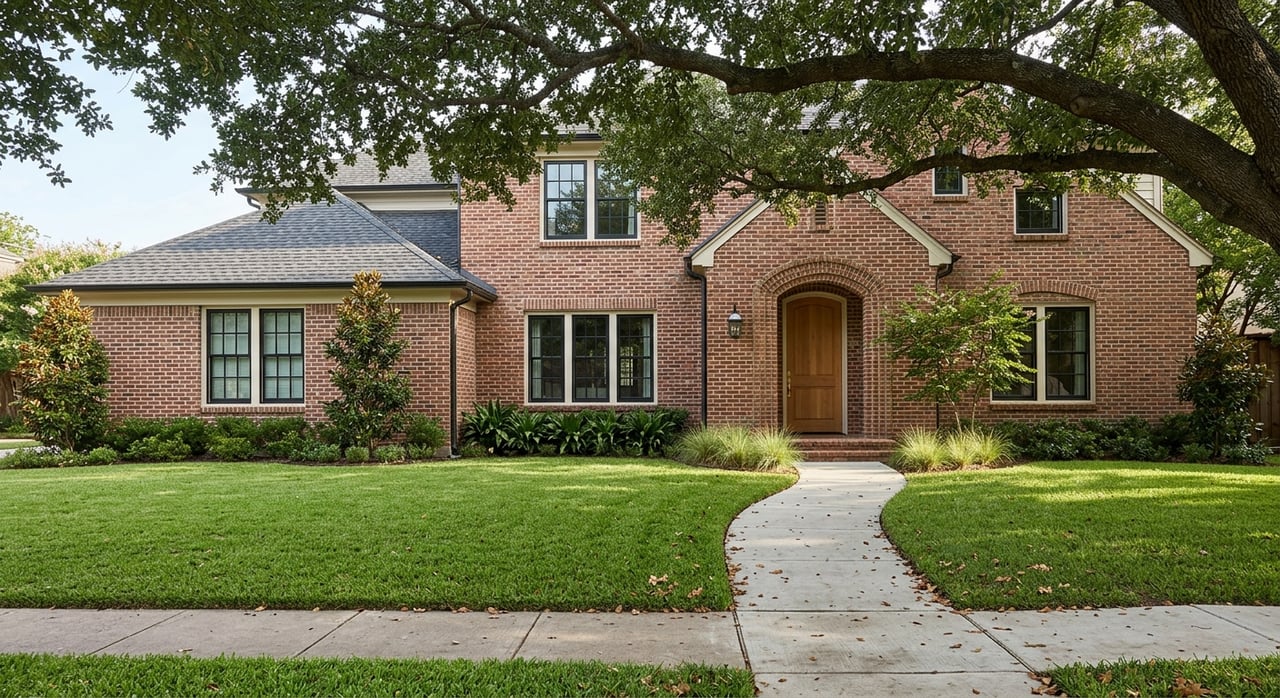
You can love a charming Tudor facade and still buy the wrong house for your plans. In Lakewood and the M Streets, the biggest difference is not just style or curb appeal. It is how the neighborhood rules, lot dimensions, and future renovation options line up with the way you want to live. If you are weighing these two East Dallas favorites, this guide will help you compare them more clearly and shop with fewer surprises. Let’s dive in.
Why these neighborhoods feel different
Lakewood and the M Streets are both City of Dallas conservation districts. That means both areas were created to preserve neighborhood character and protect important architectural and cultural features.
That shared status matters when you buy. In either neighborhood, exterior work can be subject to special requirements, so your search should include more than finishes and floor plans. You also need to think about what you may want to change later.
Lakewood at a glance
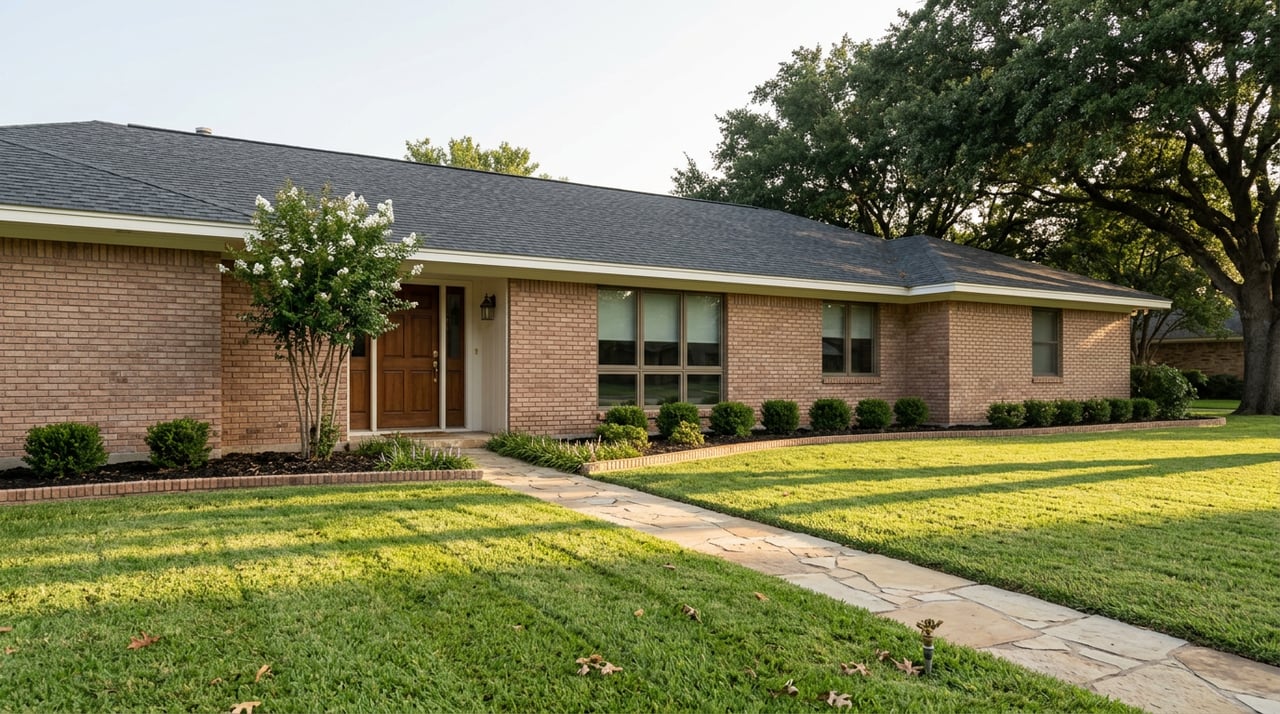
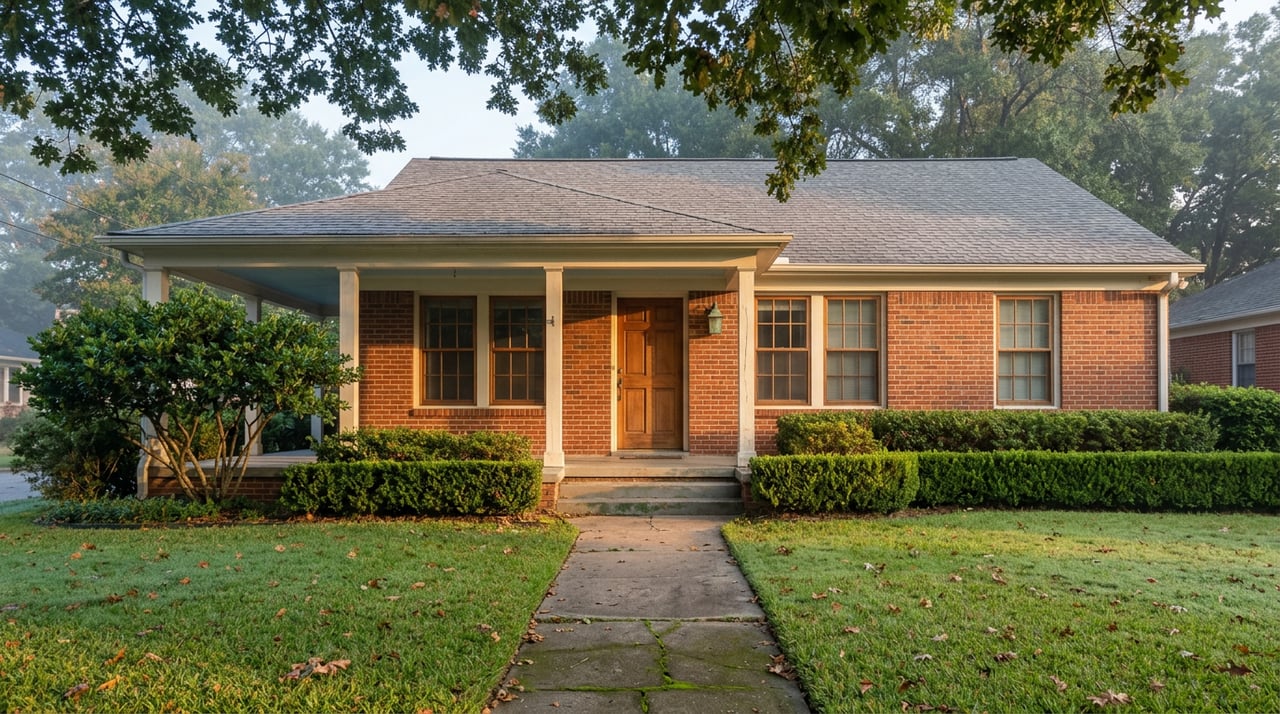
Lakewood offers a broader architectural mix. City planning materials describe styles that include Tudor, Spanish Eclectic, French Eclectic, Minimal Traditional, Neoclassical, and Colonial Revival.
That variety is part of the appeal. In one stretch, you may see masonry homes, wood-sided homes, tile or slate roofs, stained or leaded-glass windows, balconies, and courtyards. The city also reported an average home age of 77 years in the Lakewood conservation-district expansion study area, which tells you this is a neighborhood where condition and quality of renovation matter.
What Lakewood can mean for buyers
If you want character and a little more architectural range, Lakewood may feel like the better fit. It can offer more variation from block to block, and the current tract rules use lot size as part of the framework for what may be possible on a property.
That can be helpful if you are comparing homes with future updates in mind. A larger lot may create different possibilities than a smaller one, but you will still need to verify the exact tract and the current district standards for that specific address.
The M Streets at a glance
The M Streets, formally Greenland Hills in city materials, tends to read as more visually uniform. The neighborhood was designed in the 1920s, and the city ordinance notes that Tudor is the dominant style, accounting for about 65 percent of structures.
That consistency is a big part of the neighborhood identity. The area includes more than 900 homes, and the repeated Tudor style helps create a strong block-to-block rhythm that many buyers find appealing.
What the M Streets can mean for buyers
If you want a more consistent streetscape, the M Streets may stand out. The architectural rules are also more specific for new construction on vacant or demolition lots, which must fit one of four named styles: Tudor, Spanish eclectic, French eclectic, or Colonial/Georgian revival.
In practical terms, that can make the neighborhood feel more controlled and cohesive. For some buyers, that is a major plus. For others, it may mean less flexibility if they are thinking about major changes over time.
Compare the lot and setback rules
This is where your decision gets more practical. Two homes can look similar online but offer very different long-term options once you compare lot size, setbacks, and height rules.
For the M Streets, the city ordinance is direct. Lots must have a minimum area of 7,500 square feet, a minimum width of 50 feet, and a maximum width of 60 feet. Maximum lot coverage is 45 percent, and front setbacks are tied to the average setback of adjacent homes.
That last point is easy to overlook. In the M Streets, the rhythm of the street matters as much as the dimensions on paper.
Lakewood rules vary more by lot size
Lakewood Tract IV also uses the R-7.5(A) single-family district as its base, but the standards are more tiered. Maximum height is 30 feet on lots under 10,000 square feet and 35 feet on lots of 10,000 square feet or more.
Lot coverage is 45 percent for existing main buildings and 40 percent for new main buildings. The minimum side yard changes from five feet to six feet when the lot exceeds 10,000 square feet.
That means lot size plays a larger role in how you should evaluate a Lakewood property. If expansion potential matters to you, it is worth comparing each parcel carefully rather than assuming all Lakewood homes follow the same rules.
Think beyond the house itself
In neighborhoods like these, buying the house is only part of the decision. You are also buying into a set of design standards, review processes, and physical realities that come with older housing stock.
A beautifully updated kitchen may catch your eye first. But before you fall in love, it is smart to ask whether the lot, roofline, setbacks, and district rules support the kind of updates you may want in the future.
What to inspect in older East Dallas homes
Older homes in Lakewood and the M Streets often come with the same broad categories of risk. The EPA says older homes are more likely to contain lead-based paint, especially homes built before 1978.
Energy performance can also vary. The Department of Energy notes that many older homes have less insulation than newer homes, so it is worth checking the attic, wall insulation, and general air sealing during due diligence.
Moisture should be a top concern
For older and historic homes, moisture deserves close attention. The National Park Service says uncontrolled moisture is the most common cause of deterioration in older and historic buildings.
During tours and inspections, pay attention to roof condition, gutters, flashing, site drainage, standing water, mold, rot, spalled masonry, and signs of failed water management. These issues often cost more to fix than cosmetic updates, and they can affect both daily comfort and long-term preservation.
Windows and exterior details matter here
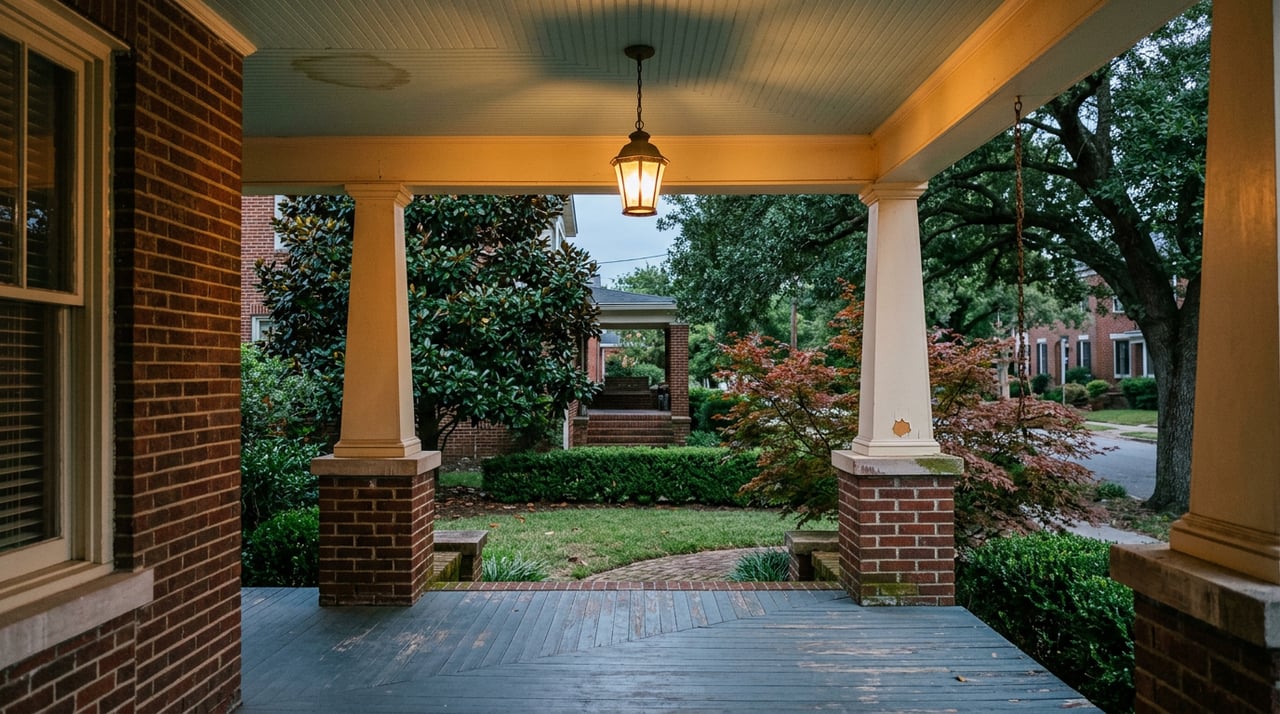
In conservation districts, original windows and trim can be part of a home's value and character. The National Park Service notes that historic windows often can be repaired and weatherized rather than replaced.
That is important if you are evaluating a home with original features. A buyer who understands repair options may see value where another buyer only sees a project list.
Drainage and grading deserve extra attention in Lakewood
Lakewood Tract IV adds a specific drainage clue buyers should not ignore. Its ordinance says lot-to-lot drainage is not allowed and that the slope existing on March 31, 2025 must be maintained.
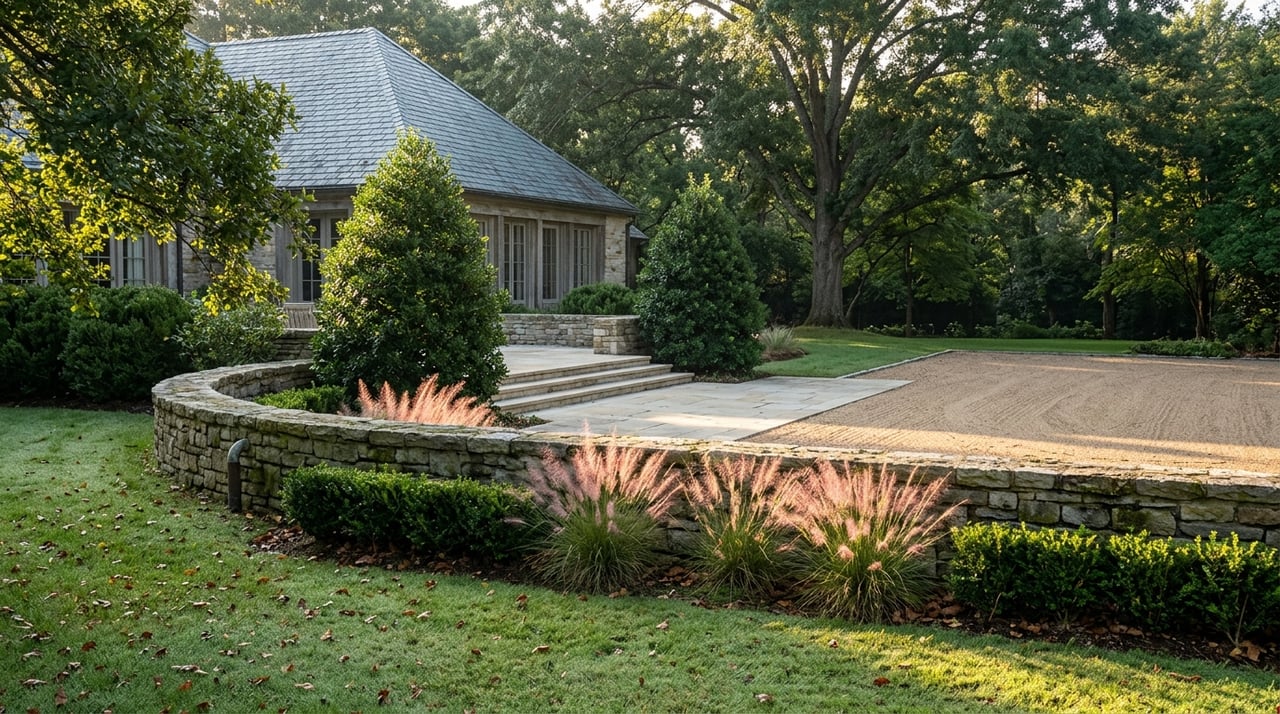
That makes the history of grading, drainage work, patios, retaining walls, and downspout routing especially important during due diligence. If a home has had major exterior changes, you will want to understand how water is being managed across the property.
Verify school assignments by address
Many buyers start with a neighborhood name and assume the school path follows automatically. In East Dallas, that is not always the safest approach.
Lakewood Elementary is a K-5 campus in School Division 5 of the Woodrow Wilson feeder pattern. The school’s quick-facts page says it is an A campus and ranked the number four elementary school in Dallas ISD. Dallas ISD also shows Lakewood Elementary, J. L. Long Middle School, and Woodrow Wilson High School as the classic feeder pattern many buyers recognize.
Dallas ISD also shows Mockingbird Elementary as a K-5 campus in the Wilson feeder pattern. Because attendance zones are published separately and the district provides a Find Your School tool, the most reliable move is to verify the exact street address before treating any school assignment as final.
A practical touring checklist
If you are actively comparing Lakewood and the M Streets, keep this checklist with you as you tour:
- Confirm the exact Dallas ISD attendance zone by street address.
- Ask whether a Lakewood property is in Tract IV or another tract, since the rules are not identical.
- Compare lot width, setbacks, and allowed height if future expansion matters to you.
- Look closely at roof condition, gutters, attic ventilation, drainage history, and moisture staining.
- Treat lead-safe renovation planning as part of the purchase if the home predates 1978.
- Ask how any exterior updates were handled, especially windows, porches, roofs, fences, and additions.
Which neighborhood may fit you better?
If you want a simple starting point, the M Streets generally offers a more uniform and tighter-format conservation district experience. Lakewood offers a broader mix of styles and more lot-size-sensitive rules, which can create a wider range of renovation and layout possibilities.
That does not make one better than the other. It simply means the right choice depends on what you value most: a highly consistent Tudor streetscape, or a neighborhood with more architectural variety and a different set of property-by-property considerations.
The smartest way to shop here is to compare each home in context. In these neighborhoods, a great buying decision usually comes from understanding the block, the lot, the district rules, and the condition of the home together.
If you want clear guidance on Lakewood, the M Streets, or nearby East Dallas neighborhoods, Hewitt+Saucedo Realty Group can help you compare homes with a practical, hyperlocal lens and access opportunities that fit your goals.
FAQs
What is the main difference between Lakewood and the M Streets for buyers?
- Lakewood generally offers a wider mix of architectural styles and more lot-size-sensitive rules, while the M Streets tends to be more visually uniform with a stronger Tudor presence and more fixed lot standards.
What should buyers know about conservation districts in Lakewood and the M Streets?
- Both neighborhoods are City of Dallas conservation districts, which means exterior work can be subject to special requirements that affect items like roofs, windows, porches, fences, setbacks, and additions.
What lot rules should buyers compare in the M Streets?
- The city ordinance says M Streets lots must have at least 7,500 square feet, a minimum width of 50 feet, a maximum width of 60 feet, and maximum lot coverage of 45 percent, with front setbacks tied to adjacent homes.
What should buyers verify before assuming a school assignment in East Dallas?
- Buyers should verify the exact Dallas ISD attendance zone by street address because neighborhood names and school boundaries do not always line up perfectly.
What inspection issues matter most in older Lakewood and M Streets homes?
- Pay close attention to lead-based paint risk in older homes, insulation and air sealing, roof and gutter condition, flashing, drainage, moisture intrusion, rot, mold, masonry condition, and the state of original windows and exterior details.
What is important to check in Lakewood Tract IV before buying?
- Ask whether the property is in Lakewood Tract IV, then review how lot size affects height and side-yard rules and look closely at drainage, grading, retaining walls, patios, and downspout routing because lot-to-lot drainage is not allowed.