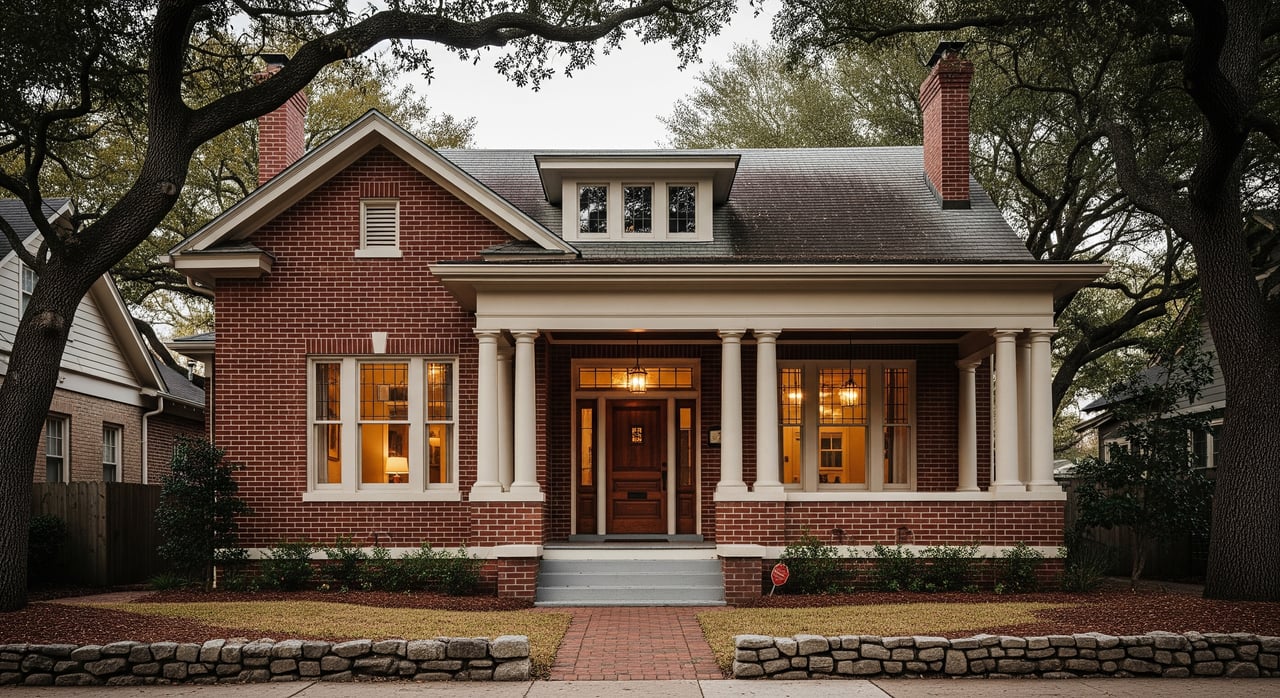
Thinking about a remodel in M Streets or weighing a home purchase there? You’ve likely heard the neighborhood is a conservation district, and you may be wondering what that actually means for your plans. You want to keep the charm you love while making smart updates and protecting your resale value. In this guide, you’ll learn what a conservation district is in Dallas, how M Streets guidelines work on exterior changes, what the approval process looks like, and how it can affect timing and costs. Let’s dive in.
What is a conservation district in Dallas?
A conservation district is a city zoning overlay created to protect a neighborhood’s distinctive character. In Dallas, the city administers and enforces these rules through its permitting and code processes. This is different from private deed restrictions or HOA rules.
The focus is on preserving the look and feel of the streetscape. Guidelines typically address scale, massing, rooflines, materials, setbacks, and other public-facing elements. The goal is compatibility, not museum-level restoration of every house.
Conservation districts are not the same as historic districts. Historic districts often have more stringent review and sometimes offer different incentives. A conservation district emphasizes compatible design so that updates and new construction fit the neighborhood.
In East Dallas, the M Streets area is commonly known as Greenland Hills, within the broader Lakewood area. Local neighborhood groups often coordinate with the City of Dallas to share expectations and examples for projects.
How M Streets guidelines affect projects
The M Streets conservation district concentrates on what you see from the public right-of-way. Interior work is generally not reviewed, and many rear-yard changes that are not visible from the street may be outside the guidelines. Always verify your specific scope with the City of Dallas.
Street-facing changes usually reviewed
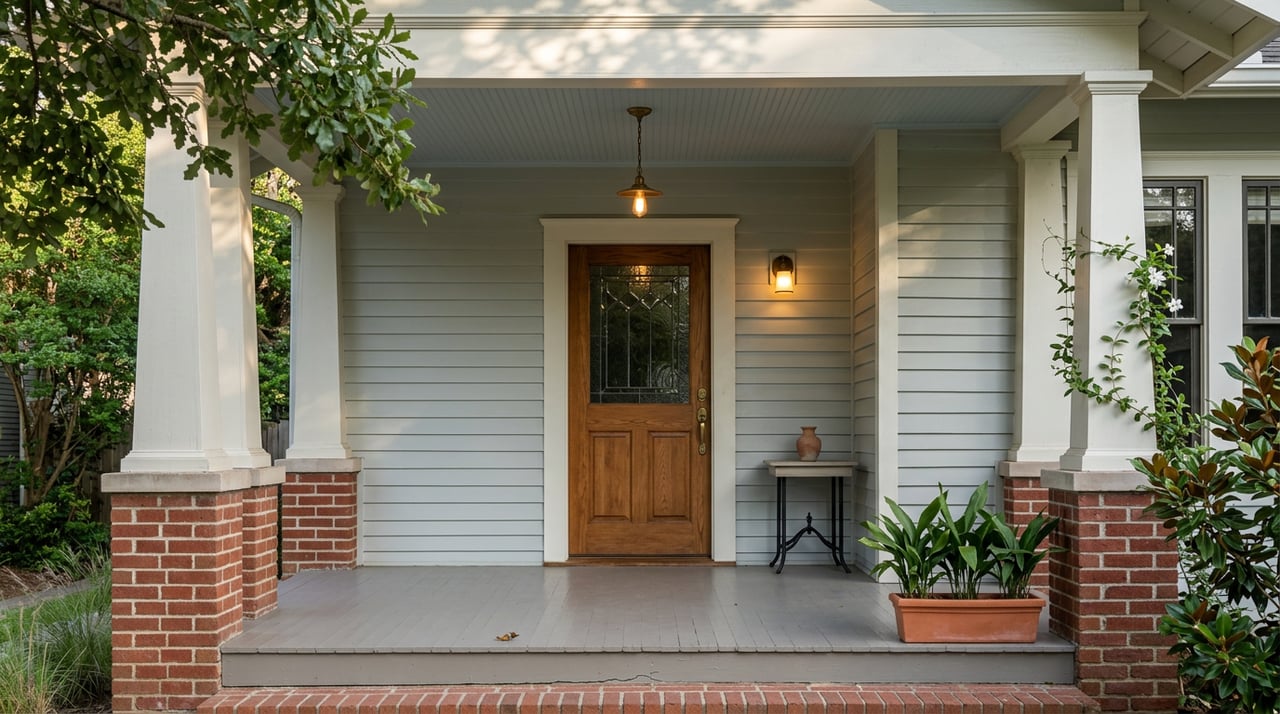
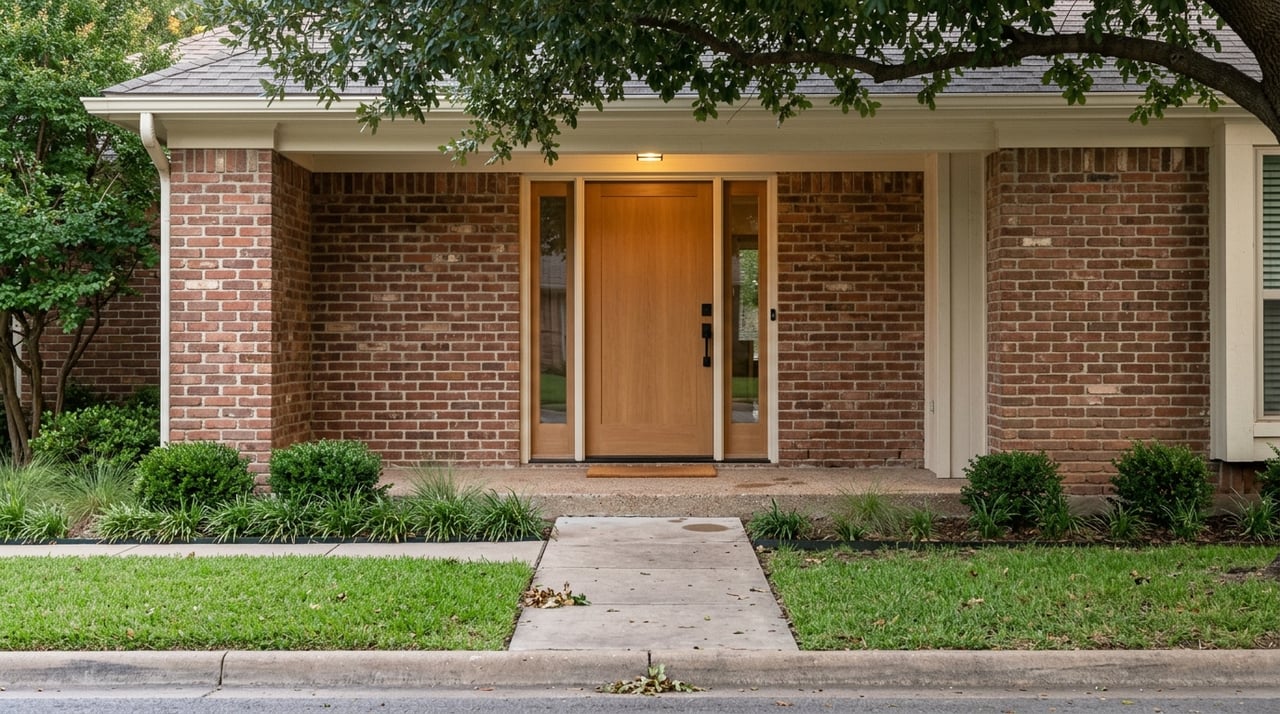
- Front elevations, porches, and visible façades, including materials, windows, doors, and trim.
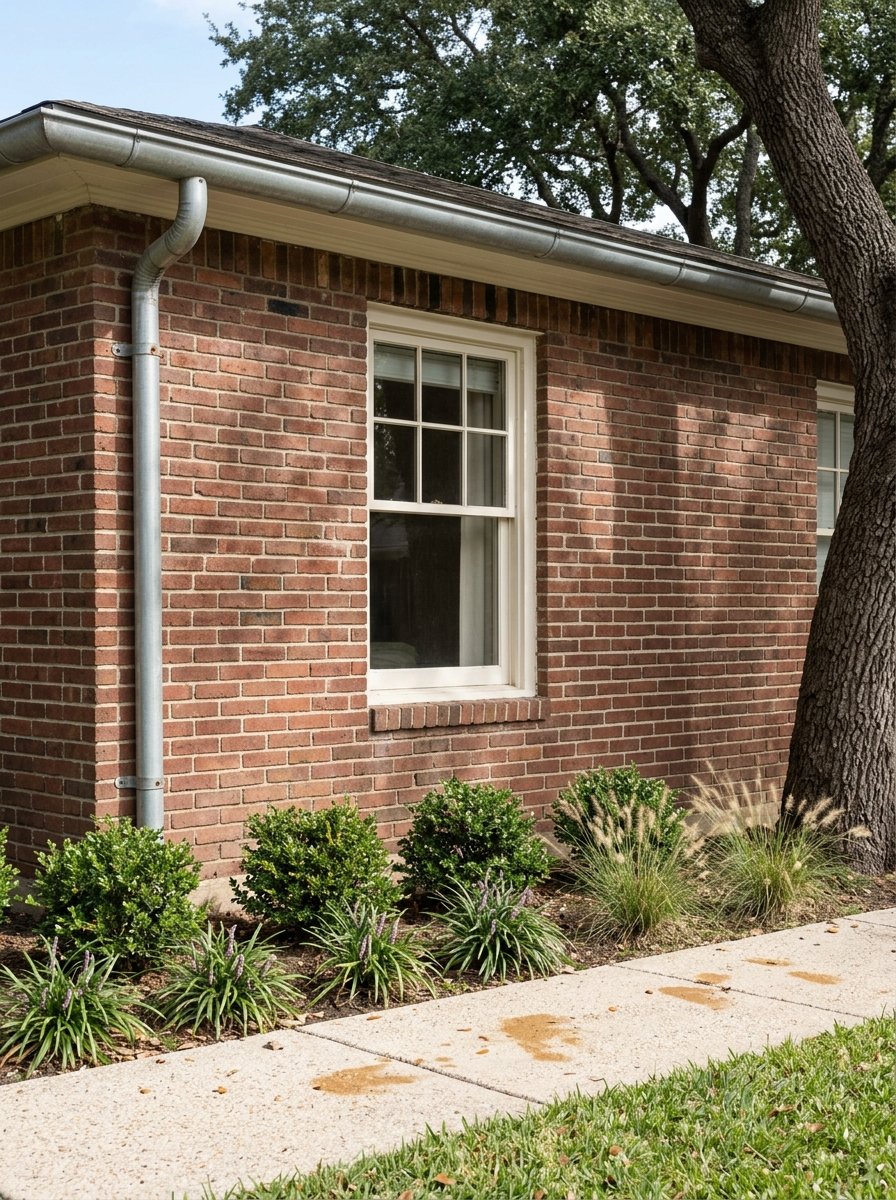
- Roof forms and rooflines visible from the street, including dormers and roof pitch.
- Additions and second stories that are visible from the street, focusing on scale and placement.
- New construction and infill, with attention to bulk, setbacks, and orientation to neighboring homes.
- Front-yard fences and walls, including height, materials, and transparency.
- Driveways and visible paving that affect the streetscape.
- Demolition of character-defining resources, which may trigger review or delay.
What usually isn’t regulated
- Interior remodels and routine maintenance that do not change exterior appearance.
- Rear-yard modifications that are not visible from the public right-of-way, subject to guideline language.
Permits and approvals in Dallas
Conservation district review is part of the City of Dallas permit path. You complete conservation review before a building permit is issued. Planning early keeps your project moving.
Step-by-step overview
- Do your homework. Confirm your property sits inside the M Streets conservation district using City of Dallas resources. Read the M Streets guidelines in full.
- Talk to the right people. Contact City of Dallas preservation staff for guidance. Touch base with the Greenland Hills neighborhood association for local context.
- Prepare your submittal. Most applications include site plans, elevations, material samples, photos of existing conditions, and a brief narrative of the work.
- Submit for review. Small, compatible changes may receive staff-level approval. Larger additions, new construction, or contentious items may go before a board or committee.
- Attend meetings if needed. Some reviews include neighborhood notice or public meetings. You may be asked to revise and resubmit.
- Get your permit. The City issues building permits after conservation approvals are secured. Standard building inspections still apply during construction.
Typical timelines to expect
- Simple items: days to a few weeks.
- Moderate projects, like windows, fences, or small additions: several weeks to a few months.
- Major projects, such as demolition, new builds, or large additions: multiple months. Build the review timeline into contracts and bids.
Costs, enforcement, and compliance
Conservation-district review can add design time and soft costs. You may need architectural drawings and extra coordination, especially for street-facing changes. The clarity of guidelines can reduce rework by steering you toward compatible designs from the start.
The City of Dallas enforces conservation rules through permitting and code compliance. Unpermitted or non-compliant exterior work visible from the street can lead to stop-work orders, required corrections, fines, or other penalties. If your project presents unusual circumstances, a variance or appeal may be possible, though approval is not guaranteed.
Buying or selling in M Streets
A conservation district often supports long-term neighborhood stability by guarding against incompatible development. Research generally shows these designations can help stabilize and often enhance property values over time, though effects vary by market. Many buyers consider the predictability of character to be a plus.
Lenders and appraisers treat conservation-district homes as standard properties. The rules do not typically change your ability to finance. If you plan major renovations, discuss scope and potential costs with your lender and appraiser early to align expectations.
Resale and value considerations
- Predictable streetscape character can be a selling point to buyers who value architectural cohesion.
- Clear records of compliant work make a listing stronger and reduce friction in the contract phase.
- Renovation plans that align with guidelines can protect resale by preserving neighborhood appeal.
Due diligence tips for buyers
- Verify whether the home is inside the M Streets conservation district using city maps.
- Ask for copies of prior conservation approvals and building permits.
- Review recent neighborhood projects to understand what received approval and how long it took.
- If you plan updates, factor review timelines and professional design costs into your budget.
Quick checklist for M Streets homeowners
- Read the M Streets conservation guidelines before designing exterior changes.
- Schedule a pre-application conversation with City preservation staff.
- Consult the neighborhood association for local insight and examples.
- Hire a designer or architect who has experience with Dallas conservation districts when street-facing changes, massing, or rooflines are involved.
- File your conservation application and secure approval before applying for a building permit.
- Keep records of approvals and permits to share at resale.
Work with a local guide
You can update and personalize your home in M Streets while honoring the look that makes the neighborhood special. The key is to plan early, design for compatibility, and move through the City’s review process with complete documentation. With the right team, you can protect both your project timeline and your long-term value.
If you’re buying, we help you evaluate renovation feasibility before you write an offer. If you’re selling, we package your approvals and improvements to support a smooth, confident sale. Get a free home valuation or request off-market access. Connect with Hewitt+Saucedo today.
FAQs
What the M Streets conservation district regulates
- It focuses on public-facing elements like façades, rooflines, additions visible from the street, front-yard fences, and new construction compatibility.
Whether interior remodels are affected in M Streets
- Interior changes are generally not regulated unless they alter the exterior appearance visible from the street.
How the conservation review fits into Dallas permits
- You complete conservation review and receive approval before the City issues a building permit, then proceed with standard inspections.
How long M Streets approvals usually take
- Simple items may take days to a few weeks; moderate projects can take several weeks to a few months; major projects can take multiple months.
What happens if you do unpermitted exterior work
- The City can issue stop-work orders, require corrections or removal, and levy fines or other enforcement actions.
How a conservation district affects resale and financing
- It often supports neighborhood stability and can help values over time; lenders and appraisers treat these homes as standard properties.