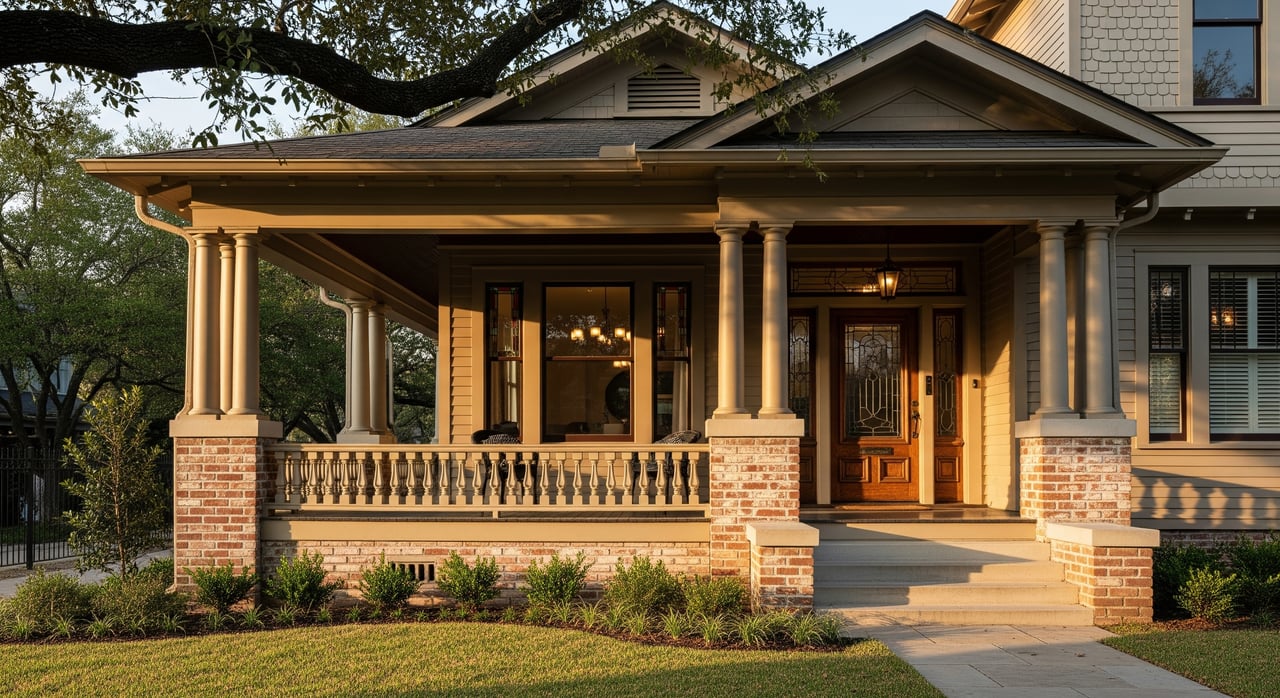
Love the character of older homes but not sure how to tell a Craftsman from a Tudor at first glance? If you are exploring Winnetka Heights in North Oak Cliff, you are in good company. Many buyers fall for the neighborhood’s early 1900s charm and want to renovate with care. In this guide, you will learn how to recognize the major historic styles, understand typical floor plans, and plan updates that respect preservation rules and add value. Let’s dive in.
Why Winnetka Heights stands out
Winnetka Heights in 75208 is known for early 20th-century architecture from the 1900s through the 1920s. You will see streets lined with Craftsman bungalows, Prairie-influenced homes, and Tudor Revival houses. Many are wood-frame with wood siding or shiplap and sit on pier-and-beam foundations. This mix gives the neighborhood a timeless feel that design-minded buyers prize.
Exterior changes in Dallas historic districts often go through review by the City of Dallas Historic Preservation staff and can require a Certificate of Appropriateness. Neighborhood groups like the Winnetka Heights Neighborhood Association also provide guidance. If you are planning exterior work such as porch changes, siding, dormers, or additions, confirm review steps and timelines with the City and the neighborhood association before you begin.
Craftsman: the Winnetka bungalow staple
Craftsman exterior cues
- Low to moderate gabled roofs with overhanging eaves
- Exposed rafter tails and decorative knee braces
- Wide full or partial front porches with tapered square or battered columns on brick or stone piers
- Wood clapboard or shiplap siding, with occasional brick or stone accents
- Multi-pane upper sash over a single lower sash, often six-over-one or four-over-one
Craftsman floor plans
Most Craftsman bungalows range from about 800 to 1,600 square feet and are one to one-and-a-half stories. Larger two-story Craftsman Foursquares can reach 1,800 to 2,400 square feet. You will usually enter into a living room with a prominent fireplace, then flow to a formal dining room and a kitchen at the rear. Bedrooms sit off a central hall, with 2 to 3 bedrooms common in bungalows and 3 to 4 bedrooms upstairs in Foursquares.
Interior details buyers value
- Built-ins like bookcases, window seats, and dining room buffets
- Wide baseboards, boxed beams, picture rails, and quality millwork
- Hardwood floors, often oak, and original fireplaces with period tile
- Five-panel doors, original brass or bronze hardware, and occasional art or leaded glass
Renovating a Craftsman well
- Repair original windows when possible and match muntin patterns if replacing
- Keep porch supports and brackets intact and restore built-ins
- Modernize kitchens and baths in rear or less prominent areas using compatible materials, like shaker cabinets and period-appropriate tile
Prairie-influenced: low, horizontal, and calm
Prairie exterior cues
- Low-pitched hipped or gabled roofs with wide eaves
- Strong horizontal lines with banded windows or continuous fascia
- Grouped casement windows, sometimes with geometric leaded glass
- Porches or terraces that connect the house to the landscape
Prairie floor plans
Prairie-inspired homes tend to have more open interior flow than earlier styles. Living, dining, and hearth areas feel connected, often organized around a central fireplace. Many are single story or one-and-a-half stories with horizontal massing and broad overhangs.
Interior details buyers value
- Art glass or geometric leaded windows
- Built-in seating and cabinetry with horizontal trim details
- Fireplace surrounds in geometric tile or stone
- Oak or similar hardwood floors
Renovating a Prairie well
- Preserve window groupings and any art glass
- Maintain the relationship between the front elevation and the porch or terrace
- Avoid large opening changes that break horizontal rhythms
Tudor Revival: steep gables and storybook charm
Tudor exterior cues
- Steeply pitched roofs with prominent front-facing gables
- Decorative half-timbering with stucco infill or full masonry facades
- Asymmetrical fronts, arched or recessed doorways, and grouped casement or leaded windows
- Tall chimneys with decorative caps or corbelling
Tudor floor plans
Tudors often have formal living and dining rooms with a more enclosed kitchen. Many include secondary bedrooms or usable attic spaces, and sizes vary from about 1,200 to over 2,000 square feet. Built-ins are less common than in Craftsman homes, but you will find original woodwork, plaster detailing, and period tile or stonework.
Interior details buyers value
- Diamond-pane or leaded windows and arched interior openings
- Original plaster walls, ornamental molding, or exposed beams in some examples
- Fireplaces with stone or patterned tile surrounds
- Parquet or original hardwood flooring where present
Renovating a Tudor well
- Repair stucco, half-timbering, and masonry with compatible materials and methods
- Match historic profiles and sightlines when replacing leaded or casement windows
Preservation and permits in Dallas
Winnetka Heights is treated as a historic neighborhood, and exterior changes in designated districts may require review and a Certificate of Appropriateness. Expect review for items like siding replacements, porch alterations, dormers, and additions. Confirm requirements, permitted work types, and review timelines with the City of Dallas Historic Preservation Office and the neighborhood association before contracting exterior work.
Federal and state historic tax credits generally apply to income-producing properties and certified rehabilitations. Single-family owner-occupied homes rarely qualify. For current programs or special valuations, consult the City of Dallas Historic Preservation Office and the Texas Historical Commission.
What to check before you buy
Historic-home inspection checklist
- Foundations and structure: look for pier-and-beam settlement, sagging floors, or uneven thresholds
- Roof and eaves: check rafters, flashing, gutters, and past water intrusion
- Porches and columns: look for rot at porch roofs, column bases, and pier connections
- Windows and doors: confirm operation, check for drafts, and note presence of storms or weathering
- Mechanical systems: review HVAC age and capacity, electrical panels, and plumbing updates
- Hazardous materials: older homes may contain lead-based paint and possible asbestos; testing is recommended
- Termite and moisture history: Dallas is termite-prone, so confirm treatment and assess wood framing
How to update with care
Design principles that work
- Preserve, repair, replace in kind: retain original elements where possible and match materials and profiles when replacement is necessary
- Keep major interventions at the rear: open kitchens or additions should sit behind the main elevation and be set back
- Respect the front: maintain porch footprints, roof pitches, and window patterns that define the facade
- Use compatible materials: match siding exposure and mortar composition for masonry
- Plan for systems: route new HVAC, ducting, and electrical through attics or crawlspaces to protect original millwork
Team and process
- Contact the City of Dallas Historic Preservation staff early if your project touches exterior features
- Work with contractors and architects experienced in historic renovation and local review processes
- Document existing conditions with photos for permits and as a restoration record
Cost planning
- Expect to budget for routine mechanical upgrades such as HVAC, electrical panels, and water heaters
- Window restoration is often cost-effective if original wood sash is restorable, but total cost depends on condition and quantity
- Porch reconstruction and pier-and-beam foundation repairs can be significant
- Sensitive additions that match massing and materials range from moderate to high cost based on structure and permitting
What holds value in Winnetka Heights
Buyers respond to original character: millwork, porches, fireplaces, built-ins, and period windows. Preservation review can add steps, but it helps protect the streetscape and supports long-term desirability. Thoughtful modern updates that respect period features often see stronger resale in historic neighborhoods like Winnetka Heights.
Ready to find the right historic fit in 75208 or get expert guidance on updating with care? Get a free home valuation or request off-market access. Connect with Hewitt+Saucedo Realty Group today.
FAQs
What defines a Craftsman bungalow in Winnetka Heights?
- Look for low gabled roofs with exposed rafters, wide front porches with tapered columns, and multi-pane over single-pane windows, plus built-ins and detailed millwork inside.
How do I recognize Prairie-influenced homes in Dallas?
- Identify low-pitched roofs, strong horizontal lines, and grouped casement windows, often with an open flow around a central fireplace.
What are the hallmark Tudor Revival features in 75208?
- Expect steep gables, half-timbering or masonry, arched entries, tall chimneys, and leaded or diamond-pane windows with formal, compartmentalized rooms.
Do I need approval to change a historic home’s exterior?
- Many exterior changes in Dallas historic districts require review and may need a Certificate of Appropriateness, so confirm with the City of Dallas Historic Preservation Office first.
Can owner-occupied historic homes get tax credits?
- Federal and state historic rehabilitation tax credits generally target income-producing properties, and single-family owner-occupied homes rarely qualify.
What updates add value without harming character?
- Preserve original windows and woodwork, keep major additions at the rear, and use materials and profiles that match the period while modernizing kitchens and baths thoughtfully.